

The controversy surrounding the Presidential Foreign Intervention Promotion Council (PFIPC) has intensified after the Senate declined to open an independent investigation into how the agency secured over N1.3 billion in the 2026 national budget.
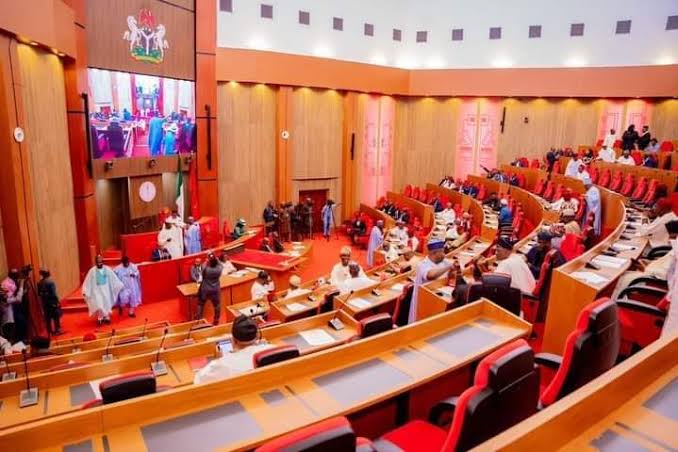
The PFIPC, widely described by government officials as a non-existent entity, has been at the center of allegations including forgery, budget padding, and possible high-level complicity.
How the ‘ghost agency’ emerged
The scandal is linked to Prince Adeniyi Adeyemi Matthew, who reportedly operated as the council’s self-proclaimed Director-General. For months, he allegedly ran the organization from an office in Abuja’s Federal Secretariat, hosting diplomats and international partners, thereby presenting the PFIPC as a legitimate government body.
Public outrage grew after it was discovered that the agency was included in the 2026 Appropriation Act with a total allocation of N1.3 billion. Budget documents show that N1.0 billion was earmarked for recurrent expenses, while N300 million was allocated for capital projects, including salaries, allowances, and event logistics.
Budget process bypassed
Legislative sources say the PFIPC’s budget did not go through the required screening process. The agency reportedly did not appear before the Senate Committee on Establishment and Public Service Matters for budget defence, raising concerns about how the allocation was approved.
Under Senate rules, all government agencies must defend their budget proposals before relevant committees before final approval. However, the PFIPC allocation was allegedly inserted without scrutiny, prompting questions about accountability within the budget process.
Senate blocks probe
During plenary, Senator Suleiman Kawu called for a full investigation into the matter, warning that the inclusion of a “fictitious” agency undermines public trust and Nigeria’s fiscal credibility.
He urged the Senate to investigate who approved the allocation, whether any funds had been released, and who controls the agency’s accounts.
However, the Deputy Senate President, Barau Jibrin, ruled against launching a separate legislative probe, citing an ongoing investigation by the Independent Corrupt Practices and Other Related Offences Commission (ICPC), which was ordered by President Bola Tinubu.
The Senate leadership instead opted to await the outcome of the executive probe.
Calls for accountability persist
Despite the decision, Senator Kawu insisted that the National Assembly has a constitutional responsibility to examine its own processes.
He stressed that Nigerians deserve to know how the agency entered the budget and whether public funds have already been disbursed.
With investigations ongoing, the PFIPC scandal continues to raise serious concerns about transparency and oversight in Nigeria’s budget system.



Leave feedback about this