

Concerns are mounting across Nigeria following reports of a proposed electricity tariff increase, with many consumers criticizing the government over persistent power supply challenges.
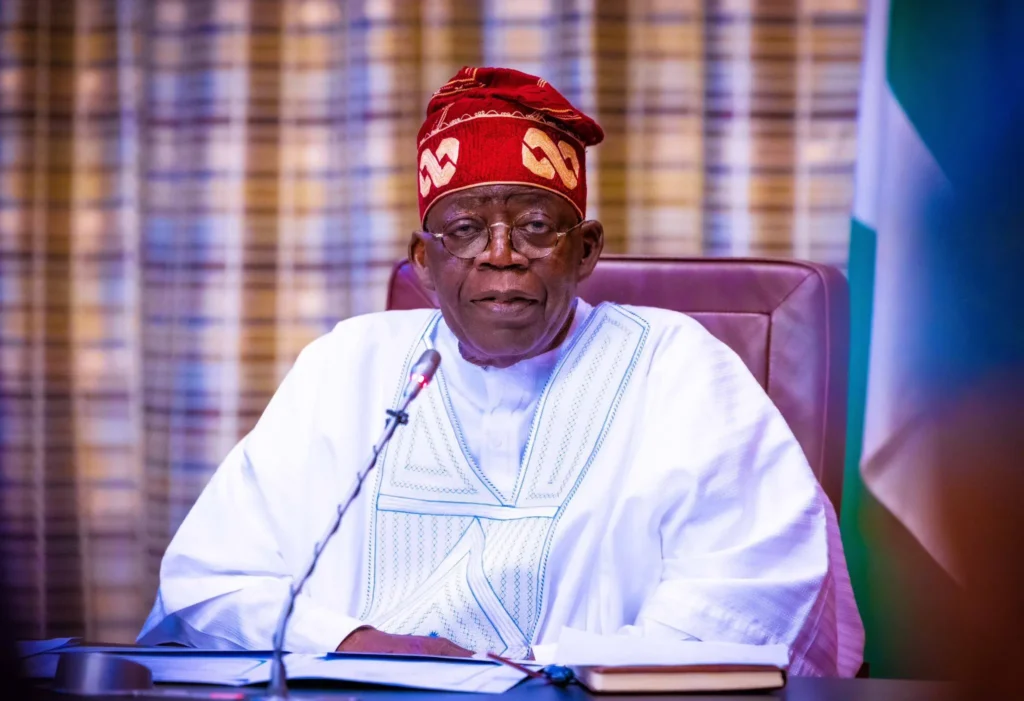
Although the presidency recently denied plans for an immediate tariff hike, fears remain after officials indicated that increases across all customer bands could be introduced in phases.
The development has drawn widespread backlash, as many Nigerians argue that the government has not made meaningful improvements in electricity supply to justify higher tariffs.
Nigeria’s power generation continues to hover between 3,500 and 4,500 megawatts, largely unchanged in recent years, despite serving a population of over 200 million people.
In April 2024, tariffs for Band A customers rose by nearly 300 percent, with promises of at least 20 hours of daily electricity. However, many consumers report that supply remains inconsistent, even within that category.
Beyond high tariffs, households and businesses continue to face unreliable electricity, often resorting to self-funded infrastructure such as transformers, which are later handed over to distribution companies.
Consumer advocacy groups have strongly opposed any further tariff increases, warning that it would worsen economic hardship without addressing underlying issues in the sector.
Industry experts say the challenges stem from structural weaknesses, including poor metering systems, financial inefficiencies, and limited investment confidence. They also note that government subsidy obligations have not been consistently fulfilled, further destabilizing the sector.
Calls are growing for reforms, including greater transparency, proper auditing of funds, and improved accountability among electricity providers.
For many Nigerians, the central concern remains unchanged: stable and reliable power supply must come before any increase in electricity costs.

Leave feedback about this