

Nigeria’s fiscal transparency has come under renewed scrutiny following an International Monetary Fund (IMF) report highlighting N8.8 trillion in unaccounted government expenditure.
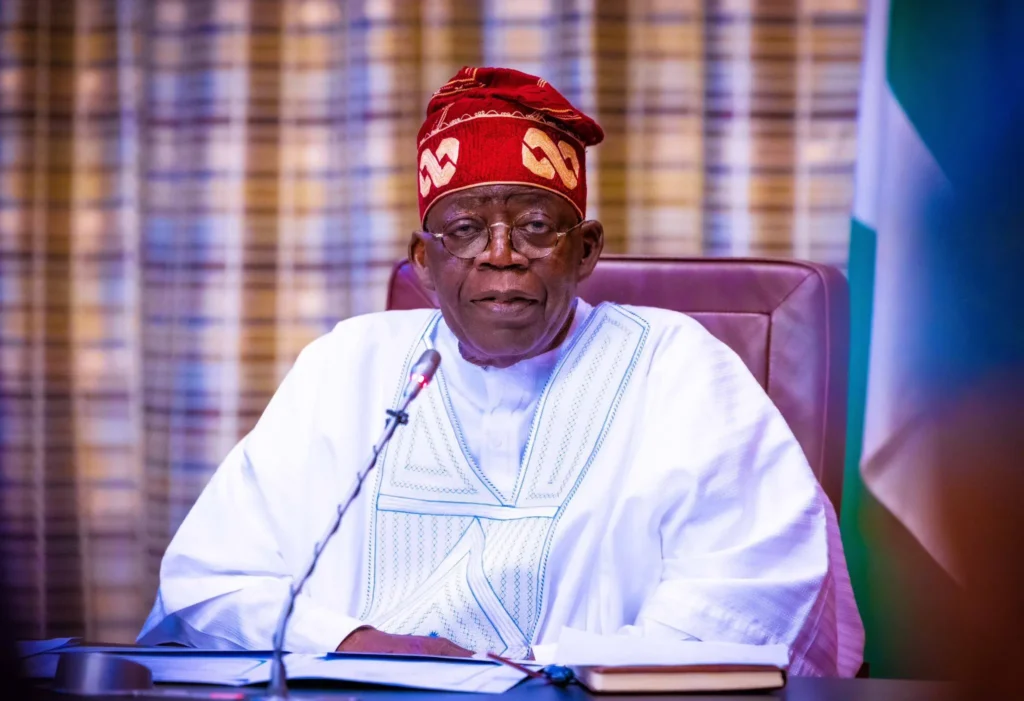
The IMF disclosed this in its June 2026 Article IV Consultation report, noting that some federal spending was not fully captured in official budget documents. The amount represents about 2 percent of Nigeria’s Gross Domestic Product (GDP).
The development comes as the administration of President Bola Ahmed Tinubu operates budgets spanning 2024 to 2026, estimated at over N154 trillion.
Mixed Reactions Trail Report
The IMF’s findings have sparked criticism from opposition figures, including former presidential candidates Atiku Abubakar and Peter Obi, who questioned the transparency of government finances.
However, government officials have rejected claims of “missing funds.” The Minister of Finance, Taiwo Oyedele, stated that the issue stems from differences in reporting frameworks rather than unaccounted or stolen money, insisting that expenditures remain within constitutional limits.
Experts Urge Transparency
Financial experts say the concern is less about missing funds and more about clarity in fiscal reporting.
Professor Godwin Oyedokun of Lead City University explained that the IMF’s observation points to gaps in reconciliation and documentation rather than confirmed financial loss. He noted that unresolved discrepancies could affect investor confidence, increase borrowing costs, and weaken public trust in ongoing economic reforms.
He added that greater transparency, through timely disclosures, independent audits, and stronger oversight, is critical to maintaining credibility.
Economic Implications
Analysts warn that uncertainty around public finances could raise Nigeria’s risk profile and discourage both foreign and local investment. For citizens, the controversy may further erode trust in government spending, especially as reforms such as subsidy removal and tax expansion continue.
The IMF report has also reignited calls for stronger financial management systems, including improved treasury monitoring, stricter compliance with fiscal laws, and enhanced oversight by the National Assembly and Auditor-General.
Observers say how the government addresses the concerns could either strengthen confidence in its reform agenda or deepen skepticism about fiscal accountability.




Leave feedback about this