

Nigeria has failed to meet the minimum fiscal transparency requirements of the United States for the second consecutive year, with Washington saying the country made no significant progress in improving public financial disclosure in 2025.
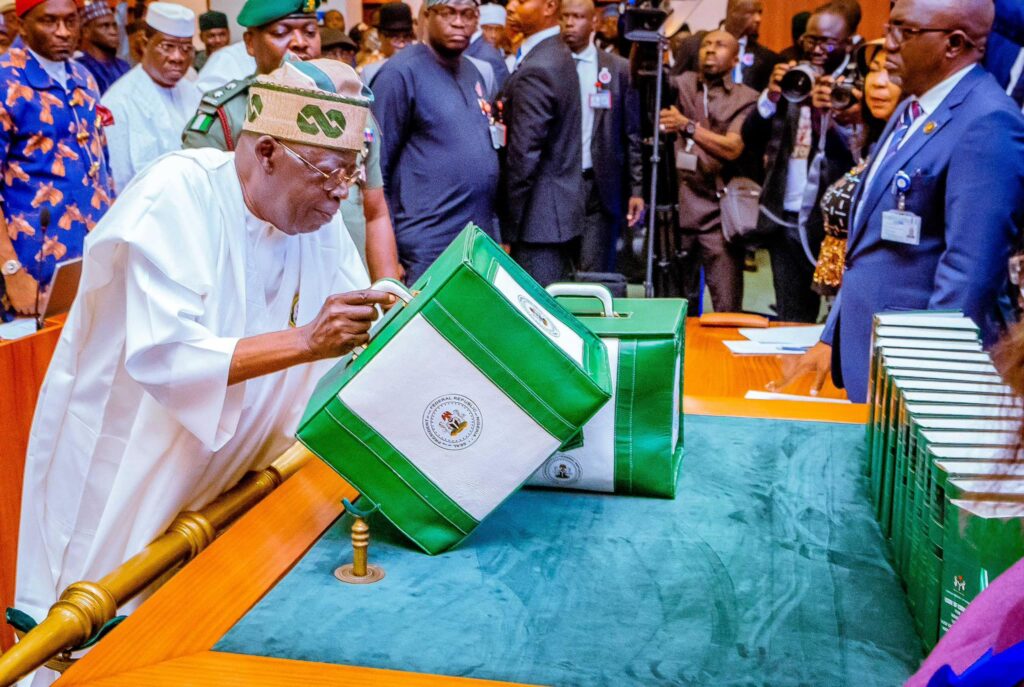
The finding is contained in the 2026 Fiscal Transparency Report released by the U.S. Department of State, which assessed 139 governments and the Palestinian Authority. Only 73 met the minimum requirements, while 67 fell short. Of those that failed, 14 made significant progress, while 53, including Nigeria, made no significant progress.
The assessment was based on information gathered between January 1 and December 31, 2025, from U.S. diplomatic missions, government agencies, international organizations, and civil society groups.
The State Department said Nigeria’s budget documents did not provide a substantially complete picture of government revenues and expenditures.
It also found that actual revenues and spending did not reasonably correspond with the enacted budget, raising concerns about the credibility of budget execution.
According to the report, Nigeria published its enacted budget and end-of-year report online but failed to publish its executive budget proposal within the required timeframe.
The U.S. also faulted Nigeria for failing to make public sufficient information on government procurement contracts and the basic terms of natural-resource concessions after they were awarded.
However, the report acknowledged some progress. It said Nigeria made information on debt obligations, including major state-owned enterprise debt, publicly available. It also noted that the country’s sovereign wealth fund had a sound legal framework and disclosed information about its funding and withdrawal policies.
The State Department recommended that Nigeria publish its executive budget proposal on time, provide more detailed revenue and expenditure information, ensure actual spending reflects approved budgets, strengthen the independence of the Auditor-General, and make audit reports public.
It also urged the government to improve access to public procurement contract information.
The report stressed that fiscal transparency helps citizens understand how public funds are spent, strengthens accountability, builds investor confidence, and reduces opportunities for corruption and financial abuse.
Presidency reacts
Reacting, Special Adviser to the President on Media and Public Communication, Sunday Dare, said fiscal transparency, accountability, and effective public financial management remained priorities of the Federal Government.
Dare said the report should be viewed as an external benchmark rather than a comprehensive assessment of all fiscal reforms underway in Nigeria.
He pointed to initiatives including the Open Treasury program, public budget documentation, debt disclosures, and procurement reforms, saying the government would continue efforts to improve the accessibility and reliability of public financial information.
BudgIT backs report
Country Director of BudgIT, Vahyala Kwaga, said the report reflected longstanding weaknesses in Nigeria’s budget implementation and audit processes.
Kwaga said while the federal budget generally provides information on revenue and expenditure, reporting on actual budget implementation remained inadequate.
He also criticized the limited disclosure of procurement details and questioned the independence of the Auditor-General’s office.
The report comes as Nigeria prepares for the 2027 budget cycle, putting renewed pressure on the Federal Government to improve public disclosure, budget execution, and procurement transparency.


Leave feedback about this