

The Presidency has set 5pm on Thursday, August 13, 2026, as the deadline for Nigerians to submit their views on the proposed National Policing Bill and the planned establishment of state police.

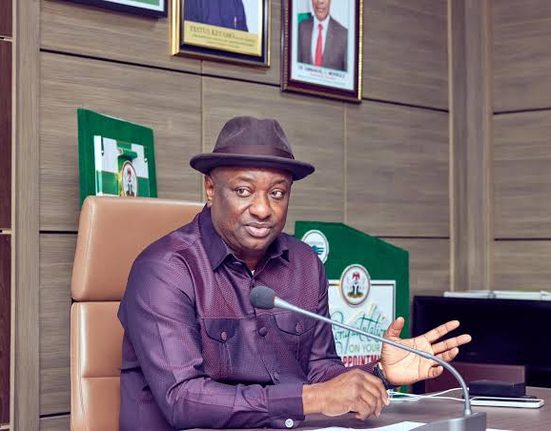
Chief of Staff to President Bola Tinubu and Chairman of the Presidential Working Group on the National Policing Bill, Femi Gbajabiamila, announced the deadline on Wednesday.
He said the consultation was aimed at incorporating Nigerians’ experiences and expertise into the proposed legislation, particularly on issues such as political interference, police misconduct, oversight, and intelligence-sharing between federal and state police services.
Gbajabiamila urged Nigerians to make submissions on how state police could be protected from political abuse, who should investigate serious misconduct, and how federal and state police could share intelligence across state boundaries.
He stressed that the public consultation would not replace the role of the National Assembly, which would have the power to scrutinize, amend, reject, or pass the bill when it is transmitted.
The Presidency has previously said the proposed National Policing Bill would provide the legal framework for implementing state police, including minimum policing standards, accountability, human rights safeguards, state readiness, and federal-state coordination.
Gbajabiamila said state police could improve local intelligence and response to security threats but warned that safeguards must be built into the system to prevent governors from using the force against political opponents, protesters, journalists, and minority communities.
He also explained that state police cannot become operational until the constitutional amendment process is completed. The National Assembly has approved a proposed framework for a dual policing system comprising a Federal Police Service and 36 State Police Services.
Under the proposed arrangement, each state would still have to pass its own enabling law, establish the necessary institutions, and provide funding before operating a state police service.
Until then, states would continue to be policed by the Nigeria Police Force.

Leave feedback about this