

With about six months to the 2027 general elections, Niger State’s political landscape is rapidly shifting as defections, internal crises, and reconciliation efforts reshape the governorship race.
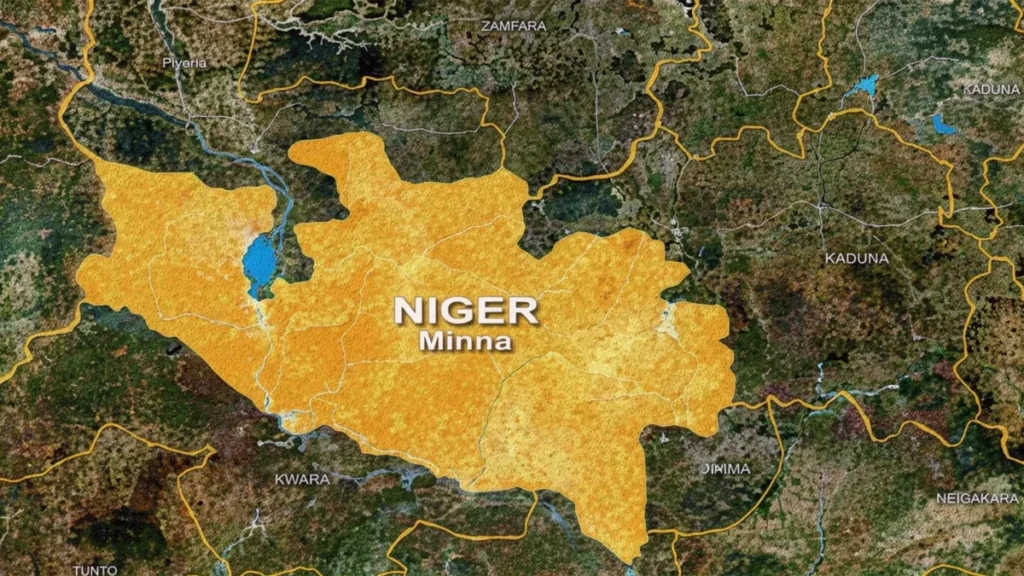
The changes were triggered by the aftermath of the All Progressives Congress (APC) primaries in May 2026, which left some aspirants dissatisfied and sparked one of the biggest waves of defections in recent years.
The situation escalated on July 16 when the Niger Rescue Movement Political Family, led by Maikil Al-Amin Bmitosahi, defected from the APC to the African Democratic Congress (ADC) alongside several former government officials and party loyalists. The group cited dissatisfaction with the current administration and vowed to push for change in 2027.
While opposition parties see the defections as a sign of cracks within the ruling APC, the party has downplayed their impact and moved quickly to restore unity.
Governor Mohammed Umaru Bago convened a reconciliation meeting on July 25 with party leaders, candidates, and aggrieved aspirants, urging members to prioritize unity and remain committed to the party’s agenda ahead of the elections.
Despite these efforts, political tensions remain high. Bago recently stated that although he has records related to the previous administration, he chose not to pursue investigations in the interest of peace, while also criticizing defectors for acting out of personal interest.
The ADC, however, believes the moment presents a major opportunity. Its governorship candidate, Mohammed Kpautagi, has criticized the APC-led government over insecurity and economic challenges, promising reforms in key sectors including healthcare, education, and agriculture.
The Peoples Democratic Party (PDP) has also rejected claims that the race is a two-party contest, insisting it remains a strong contender with the structure to challenge for power.
Meanwhile, the Nigeria Democratic Congress (NDC) is battling internal disputes over leadership and its governorship ticket, raising concerns about its readiness for the election.
Analysts say that while defections have intensified political activity, the outcome of the election will likely depend on governance issues such as security, economic conditions, and public service delivery.
With campaigns set to begin, Niger State’s political environment remains fluid, setting the stage for a highly competitive 2027 governorship election.


Leave feedback about this