With the 2026 FIFA World Cup approaching, football’s governing body has released a comprehensive list of 33 items banned from stadiums, cautioning supporters to comply with strict security regulations across host venues in the United States, Canada, and Mexico.

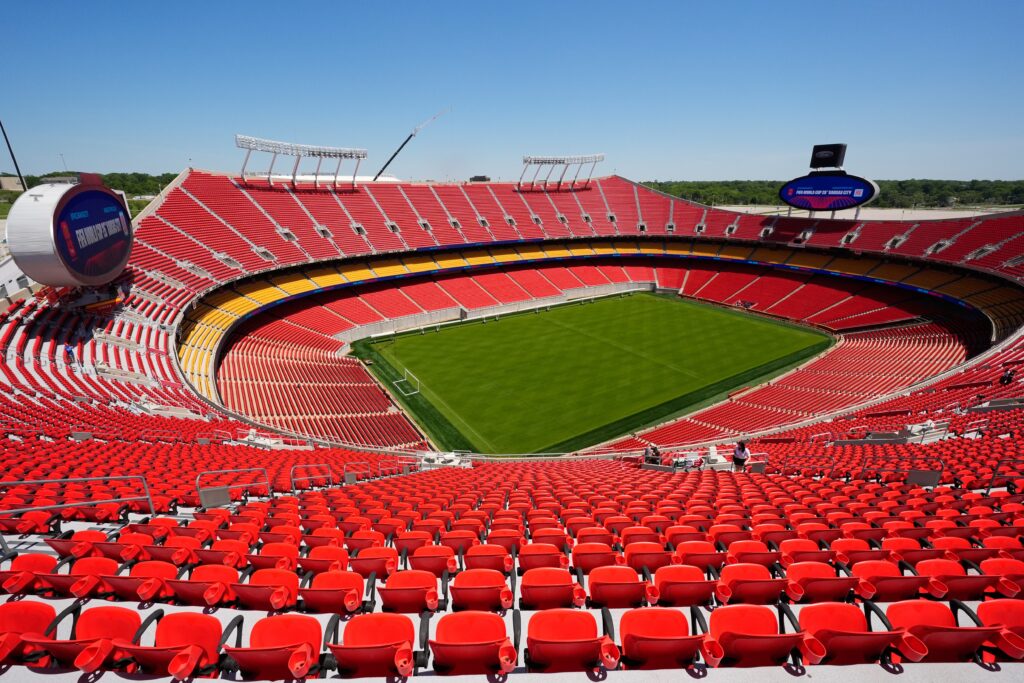
The guidelines form part of a unified safety protocol aimed at ensuring order and security throughout the tournament. FIFA stated that any restricted items discovered at entry points will be confiscated, while certain violations could result in detention or prosecution depending on local laws.
Among commonly prohibited items are weapons, explosives, fireworks, flares, and any objects capable of being used as projectiles. The regulations also extend to everyday items such as umbrellas, inflatable objects, selfie sticks, folding chairs, and large bags that do not meet approved specifications.
Fans have been advised to adhere to tight bag policies, which allow only transparent bags and small personal clutches within specified dimensions. Outside food, canned drinks, and sealed beverages are not permitted, although spectators may carry a single empty plastic bottle to be filled inside stadium premises.
Noise-making devices including vuvuzelas, air horns, and megaphones are also banned, with organisers encouraging supporters to rely on vocal support instead.
FIFA further emphasised restrictions on electronic smoking devices and tobacco products across all venues. However, authorities warned that fans travelling to Mexico could face stricter consequences, as national laws prohibit e-cigarettes entirely. Attempting to bring multiple devices into the country may attract heavy penalties or legal action.
Additional banned items include drones, professional recording equipment, laser pointers, large musical instruments, and excess batteries or power banks. Animals are also not allowed, except for certified service animals.
The organisation urged fans to familiarise themselves with the regulations before attending matches, stressing that failure to comply could result in denied entry or legal consequences.