Dangote Petroleum Refinery has begun pricing its petroleum products in United States dollars, ending the use of the naira for transactions and marking a major shift in Nigeria’s downstream oil sector.

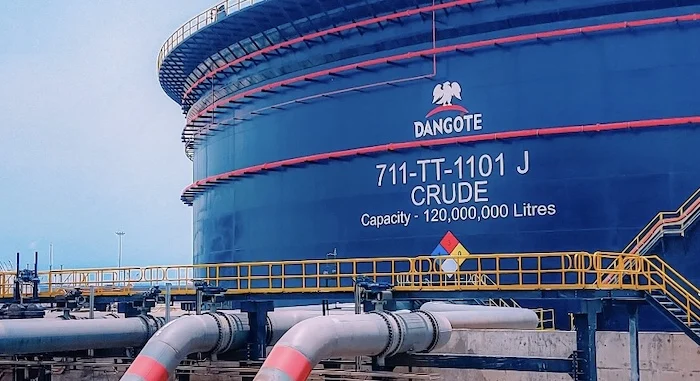
In a notice to marketers, the refinery announced new ex-depot prices effective July 13, 2026. Petrol (Premium Motor Spirit) is now priced at $0.779 per litre, diesel at $1.087 per litre, and aviation fuel at $0.942 per litre. Coastal deliveries of petrol are set at $1,044.62 per metric tonne.
The company also declared that all previously issued naira-denominated invoices and deal recaps are now invalid, instructing customers to make payments only in dollars. However, the new policy does not apply to Liquefied Petroleum Gas (LPG).
The shift follows the refinery’s earlier participation in the Federal Government’s naira-for-crude initiative, introduced in October 2024 to reduce foreign exchange pressure and stabilize fuel prices. That arrangement has weakened in recent months as a growing share of crude oil supplies has been priced in dollars.
Industry sources say the move is driven by a currency mismatch. While the refinery increasingly buys crude oil in dollars, largely from the Nigerian National Petroleum Company Limited, many of its refined products were still being sold in naira. This exposed the company to foreign exchange risks amid exchange-rate volatility and fluctuating global oil prices.
By switching fully to dollar-based pricing, the refinery aims to align its costs and revenues under a single currency framework.
The decision is expected to have wide-ranging implications. Petroleum marketers, who depend heavily on Dangote Refinery for supply, may face higher forex demand. Fuel prices at the pump could also fluctuate more sharply, depending on exchange rates, logistics costs, and global crude oil trends.
As Nigeria’s largest supplier of refined fuel, Dangote Refinery plays a central role in the deregulated market. Analysts say its pricing decisions will continue to influence nationwide fuel costs and could reshape the effectiveness of the government’s domestic refining policies.