Five Nigerian states have emerged as top performers in a World Bank-backed reform program, earning a combined $15 million in incentives for improvements in education and primary healthcare systems.

Bayelsa, Borno, Kano, Kebbi, and Yobe states qualified for the highest rewards under the HOPE Governance Programme after meeting key benchmarks tied to budget planning and sector reforms. Each state will receive $3 million for meeting two major performance indicators focused on education and healthcare budget frameworks.
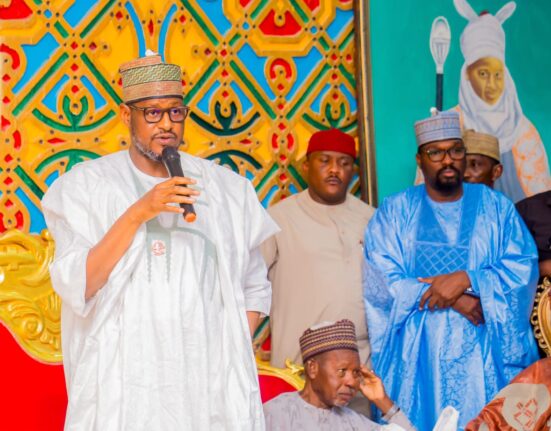
In total, $27 million has been approved for disbursement to states that met the program’s Year Zero targets, according to the National Coordinator of the program, Assad Hassan. He disclosed this in Abuja during a retreat for state budget and planning officials.
Additional incentives were awarded to other states based on specific reform milestones. Nine states, including Adamawa, Delta, and Plateau, will receive $500,000 each for adopting harmonized budget guidelines at the local government level. Meanwhile, 15 states qualified for similar amounts for publishing their 2025 Citizens Budget for education and healthcare.
The incentives were determined following an independent assessment of states’ performance against agreed targets. Hassan noted that several states failed to qualify due to missed deadlines or incomplete implementation of required reforms.
He identified weak coordination among government institutions as a key challenge affecting performance, warning that reforms must be institutionalized rather than treated as one-off efforts.
The HOPE Governance Programme is a $500 million initiative supported by the World Bank to improve funding, transparency, and service delivery in Nigeria’s basic education and primary healthcare sectors. The latest disbursement marks one of the program’s first major performance-based rewards aimed at driving accountability and sustainable reforms.