

The Nigerian Independent System Operator (NISO) has attributed recent reductions in electricity allocations to Lagos, Abuja, and parts of northern Nigeria to multiple transmission line outages, rather than a shortage of power generation.
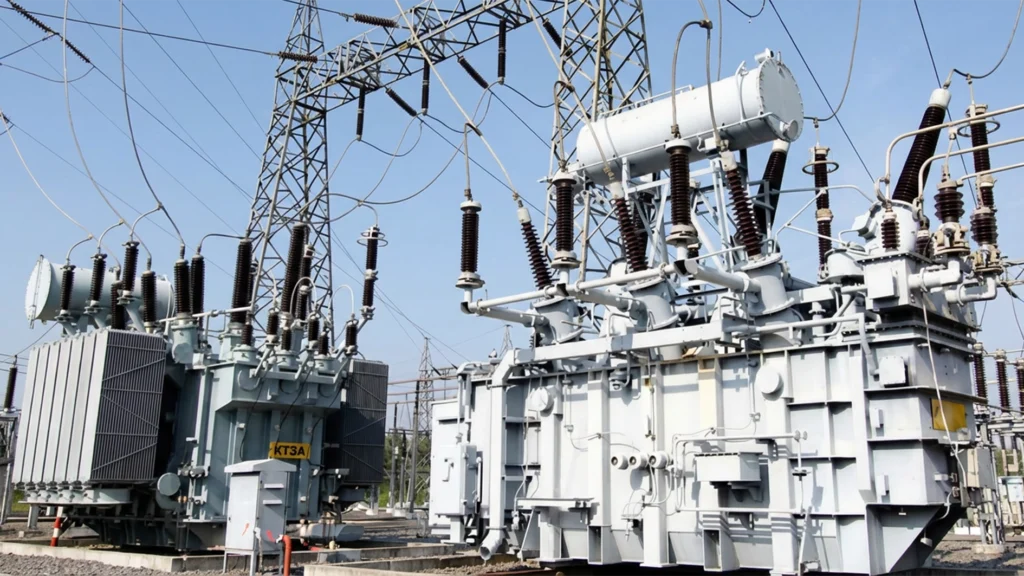
In a statement on Sunday, NISO said the faults reduced the capacity of the national grid to safely transmit available electricity to affected areas, forcing it to adjust generation dispatch and allocations to Distribution Companies (DisCos).
The operator said the Lagos axis was affected by successive outages on the Olorunsogo-Ayede, Benin-Egbin, and Benin-Omotosho 330 kV lines, while the Osogbo-Ikeja West circuit also remained out of service for an extended period. The combined outages reduced the amount of electricity that could be transferred into Lagos, leading to lower allocations to Eko Electricity Distribution Company, Ikeja Electric, and the Sakete international supply.
The northern corridor also experienced major transmission faults. The Shiroro-Mararaba 330 kV Line 1 tripped between August 24 and 26, while the Shiroro-Mando and Mando-Jos 330 kV lines tripped simultaneously on August 27.
NISO said the outages affected power supplies to Kano, Kaduna, Jos, Yola, and other northern areas, as available transmission capacity was significantly reduced.
The Abuja axis was temporarily affected on August 29 when the Shiroro-Katampe and Gwagwalada-Katampe 330 kV lines tripped simultaneously. NISO said both circuits were restored shortly after, recovering the affected transmission capacity.
NISO stressed that having enough electricity generation does not automatically mean the power can be delivered to every part of the country.
It said electricity delivery also depends on the availability and capacity of transmission infrastructure and the prevailing condition of the national grid.
The operator said it would continue to adjust generation dispatch and DisCo allocations where necessary to keep the grid within safe operating limits and prevent wider system disturbances.
The development highlights one of the major challenges facing Nigeria’s electricity sector: generation capacity alone cannot guarantee reliable supply without sufficient and stable transmission infrastructure.


Leave feedback about this