

Nigeria has set a target of up to seven percent economic growth and ruled out a return to petrol subsidies and multiple exchange rates, as the Federal Government seeks to attract investment and create jobs.
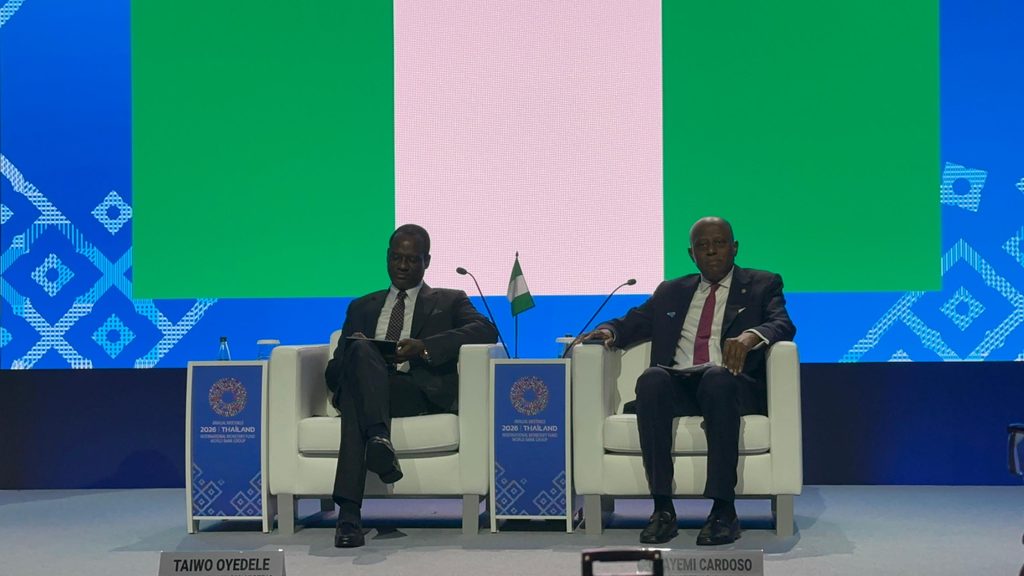
The Minister of Finance and Coordinating Minister of the Economy, Taiwo Oyedele, stated this on Saturday at the closing briefing of Nigeria’s delegation to the 2026 International Monetary Fund (IMF) and World Bank Annual Meetings in Bangkok, Thailand.
Oyedele said the economy grew by 4.4 percent in the second quarter of 2026, while private capital inflows rose from about $300 million in 2023 to nearly $6 billion this year.
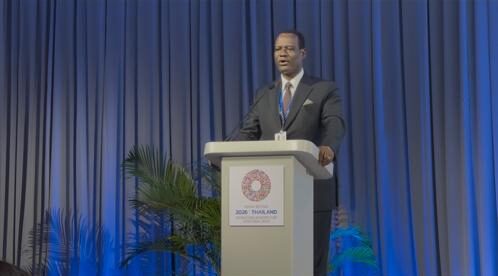
He also announced 65 investment-ready projects worth $78.5 billion under Project Nigeria, covering energy, transport, agriculture, mining, healthcare and other sectors.
The minister said the government’s priority was to translate economic growth into jobs, particularly for young Nigerians, through skills development and investments in employment-intensive sectors.
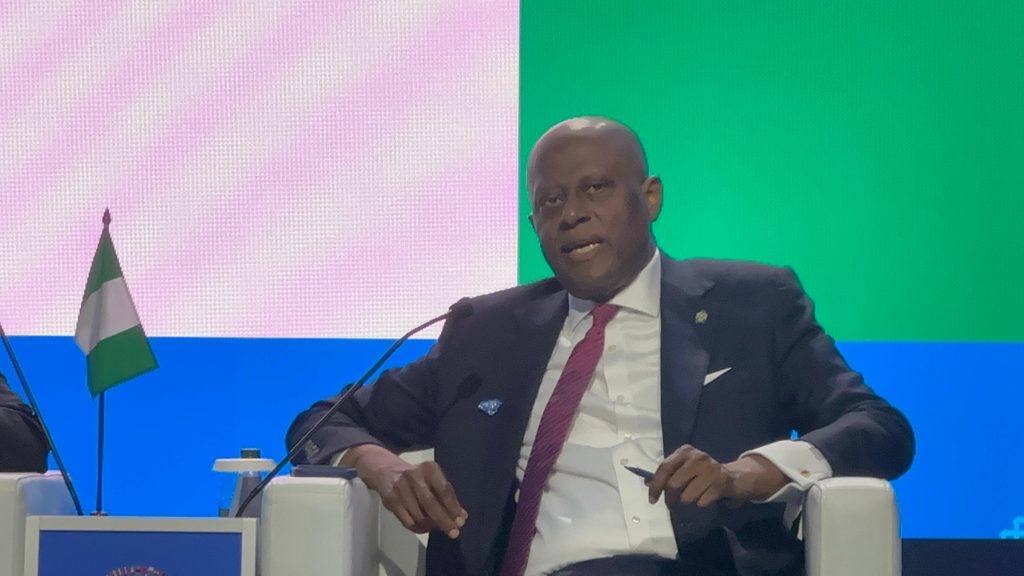
He dismissed speculation about a return to petrol subsidies, describing a recent fuel price discount by NNPC Retail as a commercial decision rather than a government-funded subsidy. He warned that reversing key reforms could weaken investor confidence and put pressure on the naira.
Central Bank of Nigeria Governor Olayemi Cardoso said headline inflation fell to 14.63 percent in September 2026, while external reserves rose above $55 billion. He also disclosed that banks had raised ₦4.65 trillion in fresh capital through the recapitalisation exercise.
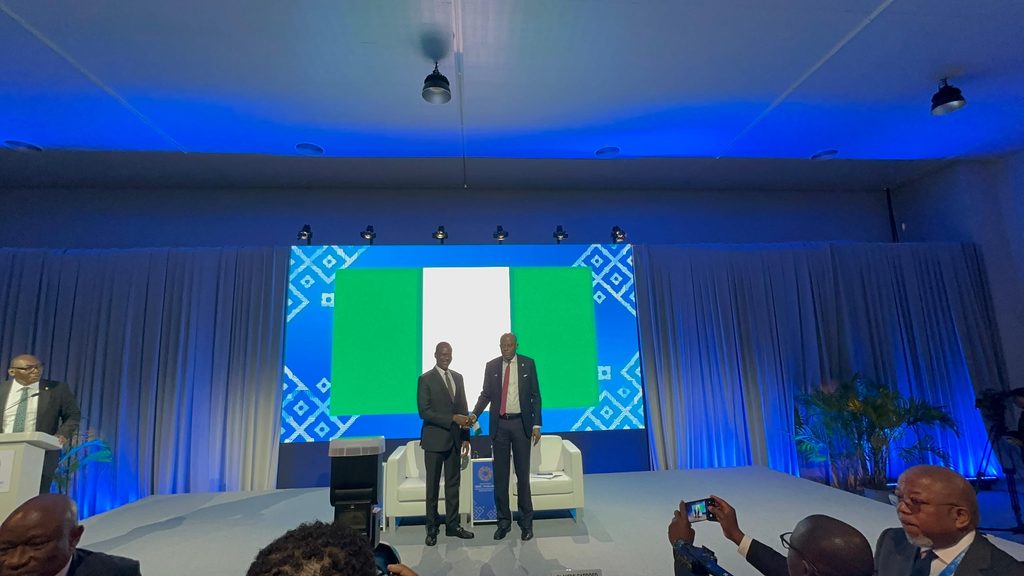
Cardoso called for consistent economic policies and stronger coordination between fiscal and monetary authorities. He also highlighted the potential of artificial intelligence to boost productivity, while warning of risks to jobs, cybersecurity and financial stability.
Both officials said the government would continue implementing reforms to attract investment, strengthen economic stability and achieve sustainable growth.




Leave feedback about this