

The Federal Government’s electricity subsidy obligation could remain close to N2tn in 2026 after it ruled out any immediate increase in electricity tariffs.
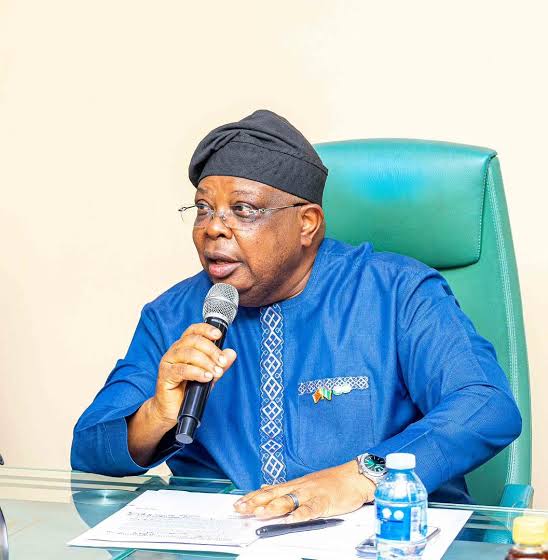
Minister of Power Joseph Tegbe announced the decision on Monday in Abuja while marking his first 100 days in office, saying the government’s priority was to stabilize the power sector and protect consumers.
“There are no immediate plans to increase electricity tariffs. Our goal is to build a commercially viable power sector while protecting vulnerable consumers,” Tegbe said.
The decision comes after the Nigerian Electricity Regulatory Commission (NERC) reported that the Federal Government incurred a N1.93tn subsidy obligation in 2025, equivalent to 57.44 percent of the total Nigerian Bulk Electricity Trading invoice. The obligation averaged N160.69bn monthly.
NERC attributed the high subsidy burden largely to tariffs remaining below the cost of supplying electricity. The regulator said the government covers the difference between cost-reflective tariffs and the rates approved for consumers.
The 2025 figure was slightly lower than the N1.95tn recorded in 2024, despite the government maintaining tariffs at rates approved in July 2024.
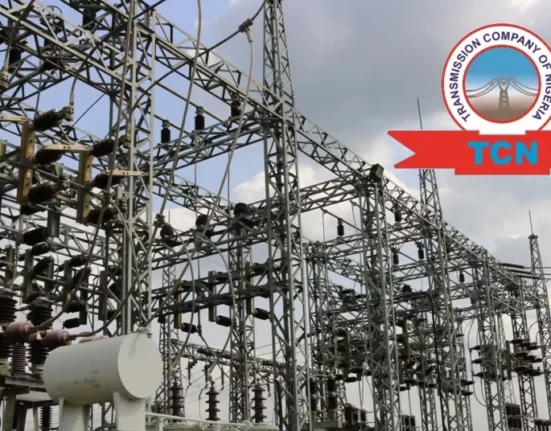
Tegbe said the power sector continued to face financial and operational challenges, including gas supply constraints, aging generation equipment, transmission problems, and poor payment collection.
He said generation companies were receiving only 27 percent of their bills, limiting their ability to maintain plants and pay gas suppliers. Distribution companies, meanwhile, were recording aggregate technical, commercial, and collection losses of between 30 and 40 percent.
The minister said the government was addressing the sector’s debt, revenue leakages, metering gaps, and infrastructure problems rather than relying on tariff increases.
Meanwhile, the Association of Power Generation Companies has warned that the Federal Government’s debt-reduction program may not resolve the sector’s liquidity crisis if new debts continue to accumulate.
APGC Chief Executive Joy Ogaji previously warned that fresh liabilities could exceed N7tn before the government’s N4tn debt-reduction program is fully implemented.
The Federal Government has also raised about N1.23tn towards settling power-sector debts, according to Tegbe.
While the tariff freeze shields consumers from an immediate increase in electricity costs, it means the government is likely to continue bearing a substantial share of the gap between the cost of supplying electricity and the tariffs paid by many customers.
Leave feedback about this