

Nigerian comedian Chibunna Stanley, popularly known as Funnybone, has sparked widespread debate after stating that being “born again” does not automatically heal emotional trauma.
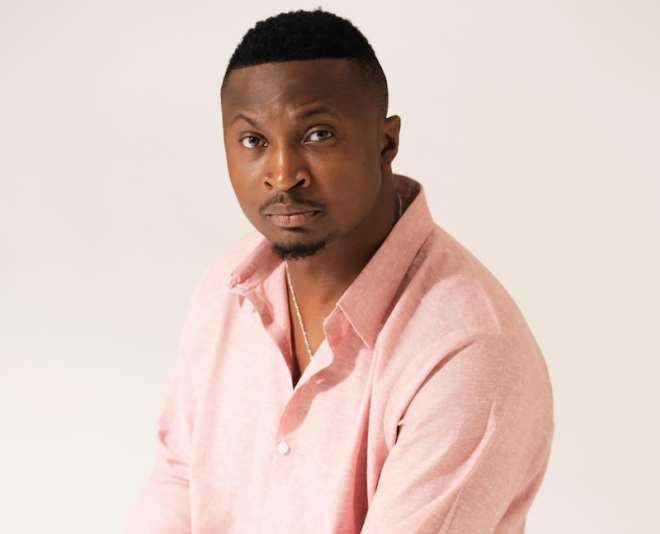
In a recent Instagram post, the entertainer argued that while Christianity promotes moral transformation, it does not erase deep-seated psychological wounds or behavioral patterns shaped by past experiences. He urged churches to pay more attention to mental and emotional health, noting that unresolved trauma can continue to influence how individuals think and behave.
Funnybone criticized the tendency among some believers to equate spiritual growth solely with avoiding vices while neglecting underlying emotional struggles. He added that therapy and spirituality should not be seen as opposing paths but as complementary tools for healing.
His comments triggered mixed reactions online. Some users supported his stance, praising the call for greater mental health awareness within religious communities. Others disagreed, emphasizing the role of the Holy Spirit in guiding believers through emotional and behavioral challenges.
Mental health experts generally support the view that trauma recovery often requires a combination of approaches, including therapy, community support, and, for many individuals, faith. Research in Psychology shows that unresolved trauma can affect emotional regulation, relationships, and decision-making, reinforcing the need for holistic care.
The conversation continues to gain traction, highlighting ongoing tensions—and potential synergy—between faith-based healing and professional mental health support.

Leave feedback about this