

As the 2026 farming season begins, many communities across northern Nigeria are returning to their fields under the shadow of insecurity, with bandit-imposed levies threatening both livelihoods and national food supply.
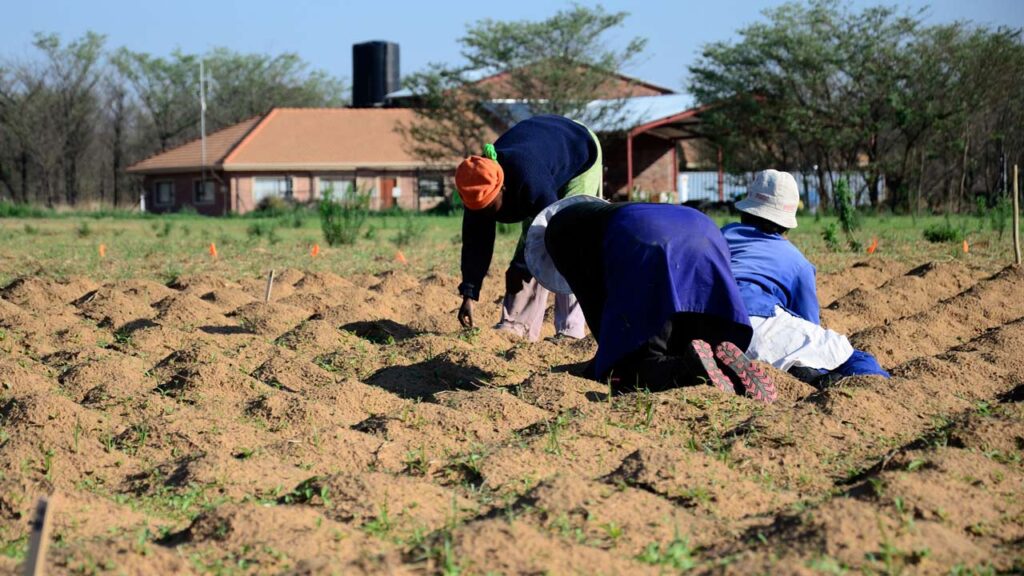
In states including Katsina, Sokoto, Zamfara, Yobe, and parts of Kano, armed groups have reportedly intensified the collection of illegal “farming taxes,” forcing already struggling farmers to pay large sums or abandon their land.
In June, residents of Kwandawa in Malumfashi Local Government Area of Katsina State were reportedly ordered to pay a ₦20 million levy or vacate their farms. The demand was allegedly linked to the killing of a bandit member.
Similarly, in Sokoto State, farmers in about 26 communities in Sabon Birni LGA were prevented from accessing their farmland and given a three-day ultimatum to meet fresh payment demands. In parts of Kano and Katsina, sugarcane farmers were also reportedly asked to pay up to ₦50,000 per acre before harvest, highlighting the growing control of armed groups in rural areas.
Agriculture stakeholders warn that the situation poses a serious risk to food production. Abdullahi Ali Mai Biredi, Chairman of the All Farmers Association of Nigeria (AFAN) in Kano State, said smallholder farmers, who produce the bulk of Nigeria’s food, are the most affected.
“These small-scale farmers are the ones feeding the country. If insecurity keeps them away from their farms, food shortages are inevitable,” he said.
Mai Biredi noted that reduced farm access could worsen food scarcity and further fuel instability. However, he acknowledged some improvements in security operations, particularly in border communities between Kano and Katsina, where farming activities have gradually resumed.
He called for a more comprehensive approach to tackling insecurity, including addressing underlying grievances driving violence.
At the time of filing this report, relevant ministries in Katsina State had yet to respond to requests for comment.
The continued disruption of farming activities underscores growing concerns that insecurity in northern Nigeria could significantly impact national food availability in the coming months.






Leave feedback about this