Artificial intelligence (AI), employment, and global economic growth are taking center stage as world leaders and policymakers gather in Bangkok, Thailand, for the 2026 Annual Meetings of the International Monetary Fund (IMF) and World Bank Group.

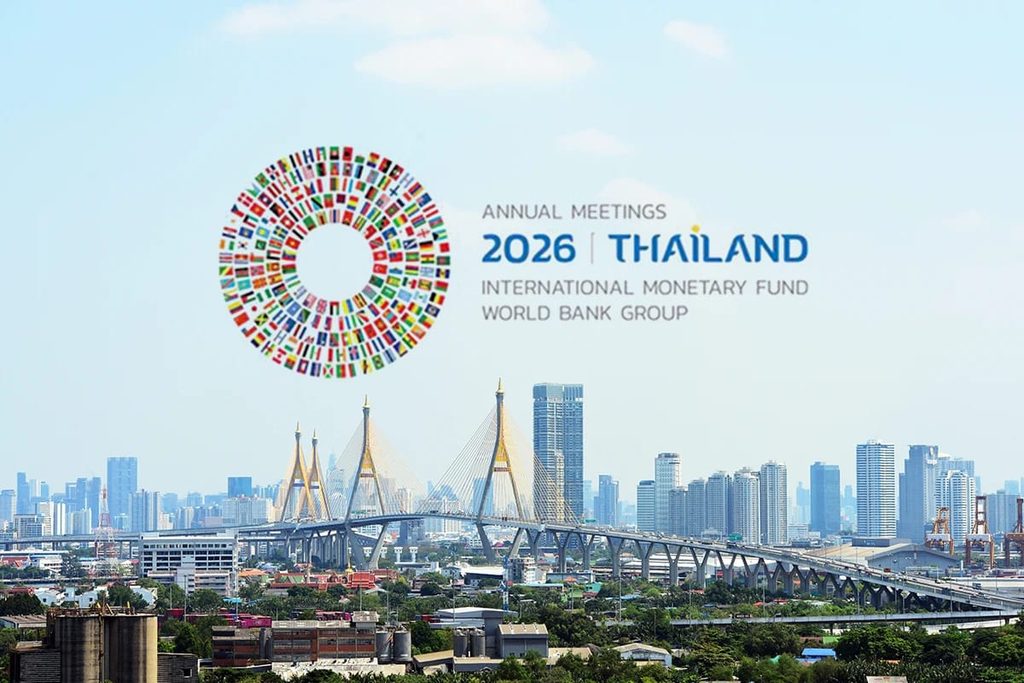
The meetings, running from October 12 to 18, bring together finance ministers, central bank governors, business leaders, and development experts to discuss economic challenges, financial stability, poverty reduction, and job creation.
IMF Managing Director Kristalina Georgieva said strong investment in AI infrastructure was helping sustain global economic growth at around three percent despite energy supply disruptions. However, she warned that the technology could significantly reshape labor markets.
The IMF estimates that AI could affect about 40 percent of jobs worldwide, raising concerns about employment opportunities, skills development, and inequality.
World Bank President Ajay Banga has highlighted the potential of AI to improve productivity and service delivery, particularly in sectors such as agriculture, healthcare, and education.
The discussions are also focusing on the risk of widening the economic gap between advanced and developing countries, as well as the potential impact of AI on entry-level jobs for young people.
For Nigeria and other African countries, the challenge is to harness AI for economic development while expanding access to reliable electricity, digital infrastructure, and workforce training.
The meetings are expected to explore policies and partnerships that can promote inclusive growth, mobilize investment, and create sustainable employment opportunities.