The African Democratic Congress Presidential Campaign Council (ADC-PCC) has criticized the Federal Government’s 30-day petrol discount at Nigerian National Petroleum Company Limited (NNPCL) stations, describing it as a temporary measure that cannot address the hardship faced by Nigerians.


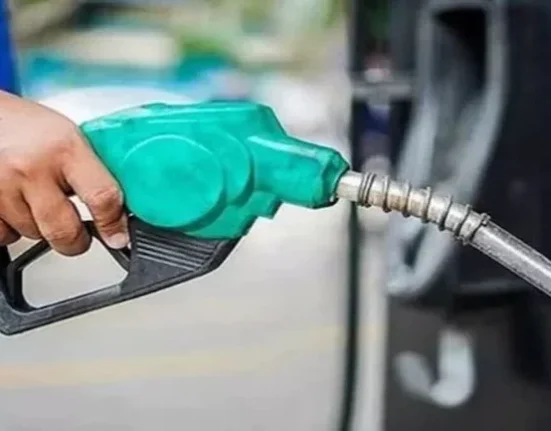
The council was reacting to Thursday’s announcement by the Minister of Finance and Coordinating Minister of the Economy, Taiwo Oyedele, that the government would offer a discount on petrol sold at NNPCL stations for 30 days, with priority given to public transport operators.
Oyedele said the measure was not a return to fuel subsidy but an arrangement to sell petrol at cost during the period. The government has also proposed a price-modulation mechanism aimed at limiting fluctuations in petrol costs.
In a statement, ADC-PCC Director of Media and Publicity, Kola Ologbondiyan, accused the administration of trying to use temporary fuel relief to win public support ahead of the 2027 elections.
“After over three years of subjecting Nigerians to excruciating pain… the Tinubu administration now thinks it can bribe Nigerians with 30 days of cheaper fuel. Nigerians will reject your one-month bribe,” Ologbondiyan said.
He questioned what would happen after the 30-day period, particularly amid petrol prices of around N1,400 per litre in parts of the country.
Ologbondiyan said the temporary reduction exposed what he described as the government’s failure to protect Nigerians from the impact of fuel subsidy removal and other economic policies.
He also praised the ADC presidential candidate, Atiku Abubakar, for previously criticizing the subsidy removal without adequate social protection, saying the latest intervention supported Atiku’s position that petrol costs could be reduced.
“If the government can reduce the burden of fuel costs for 30 days, with priority given to public transport operators, why did it allow Nigerians to suffer for more than 800 days?” he asked.
The ADC-PCC said the temporary relief would not erase the effects of high living costs, inflation, unemployment, and declining purchasing power.
The council urged Nigerians not to be swayed by what it described as short-term concessions, insisting that the hardship facing citizens required lasting economic solutions rather than temporary fuel discounts.