

The Federal Government has announced that all Nigerians in South Africa who have indicated willingness to return home due to ongoing anti-immigrant tensions will be evacuated on or before June 30.
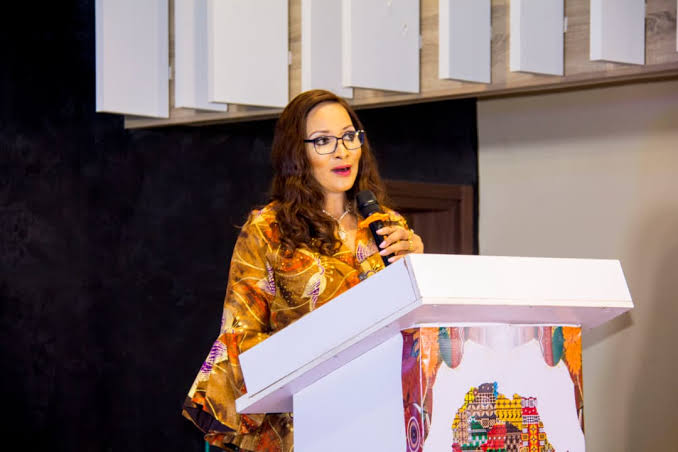
This assurance was given by the Minister of Foreign Affairs, Ambassador Bianca Odumegwu-Ojukwu, in a statement released through her Special Assistant on Communication and New Media, Magnus Eze, on Thursday.
According to the minister, the administration of President Bola Tinubu remains committed to safeguarding the lives and welfare of Nigerians abroad, particularly those exposed to harassment and violence.
She disclosed that approximately 1,000 Nigerians have so far registered for evacuation, with the government already facilitating the return of an initial group of 258 citizens from South Africa.
The evacuees were received at the Murtala Muhammed International Airport in Lagos by the Minister of State for Foreign Affairs, Ambassador Sola Enikanolaiye, acting on behalf of the Federal Government.
Odumegwu-Ojukwu emphasised that no Nigerian who has expressed interest in leaving South Africa would be abandoned, noting that arrangements are ongoing to ensure a coordinated and timely evacuation process.
She explained that President Tinubu had directed relevant authorities to provide immediate assistance to Nigerians facing threats or intimidation, stressing the need for caution while also prioritising citizens’ safety.
The minister expressed concern that the situation has worsened to the extent that not only Nigerians but also their South African spouses and children are reportedly being pressured to leave the country.
She described the development as deeply troubling, especially for families who have lived in South Africa for years and have built their lives there.
Beyond the humanitarian dimension, the Federal Government also hinted at possible economic and diplomatic responses if the situation persists.
Odumegwu-Ojukwu noted the significant presence of South African businesses operating in Nigeria, including MTN, MultiChoice, and Stanbic IBTC, among others.
She pointed out that these companies operate freely in Nigeria without facing the kind of scrutiny or hostility Nigerians are encountering in South Africa.
“There are over 120 South African companies in Nigeria, and none of them are subjected to the kind of treatment Nigerians are facing abroad,” she said, adding that the government may be compelled to reassess its options.
The minister further revealed that South African authorities have yet to activate a Memorandum of Understanding signed with Nigeria in October 2025, which was designed to establish an early warning system for protecting citizens of both countries.
According to her, South Africa has argued that the officials who signed the agreement lacked the authority to make it binding, thereby delaying its implementation.
Meanwhile, reports indicate that migrant communities in South Africa have been targeted by vigilante groups in several cities, with incidents involving looting, forced closures of businesses, and physical attacks.
There are also allegations that security agencies in the country have not done enough to protect affected individuals or curb the violence.
Odumegwu-Ojukwu warned that the ongoing attacks could damage South Africa’s reputation on the continent, invoking the legacy of Nelson Mandela, who championed pan-African unity.
She stated that the resurgence of xenophobic sentiments undermines decades of efforts to position South Africa as a leader in African solidarity.
The Federal Government, she added, is continuing diplomatic engagements with South African authorities while considering lawful measures that may be taken in response.
She also indicated that any major policy decisions, particularly those involving economic retaliation, would require collaboration with the National Assembly in line with constitutional provisions.




Leave feedback about this