

Bolivian President Rodrigo Paz has announced a nationwide state of emergency following more than six weeks of sustained protests and road blockades demanding his resignation.
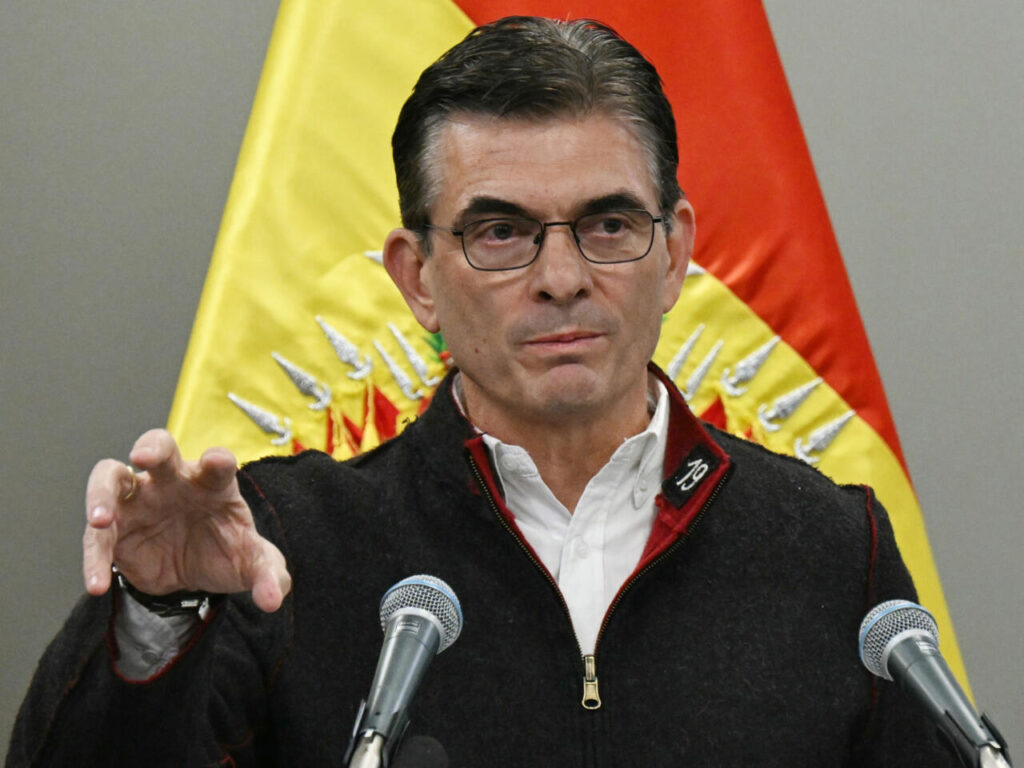
The declaration came shortly after the government reached an agreement with the Bolivian Workers’ Central (COB), the country’s largest labour federation, aimed at ending the unrest triggered by controversial economic reform proposals.
Despite the accord, several groups including regional unions and coca farmers, have rejected the deal and continued their demonstrations, leaving parts of the country still disrupted.
In a televised address, Paz said the government had pursued dialogue extensively but was compelled to act after identifying elements engaging in violence and efforts to destabilise the state.
The protests, which began in early May, were led largely by workers, farmers, miners, transport operators and teachers opposing the administration’s economic policies. The unrest has significantly affected daily life, causing shortages of fuel, food and medical supplies in major cities such as La Paz.
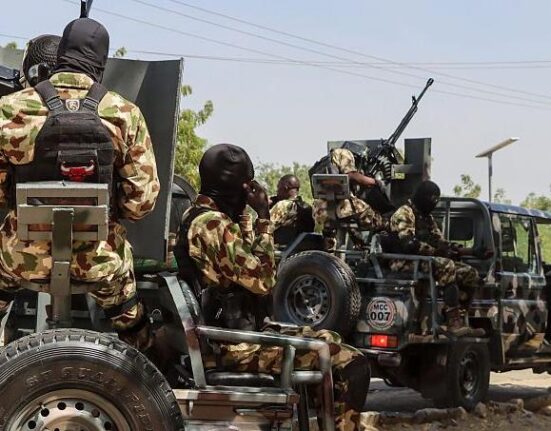
Although the number of road blockades has declined from over 100 at the peak of the crisis, dozens remain active. Authorities have now instructed security forces to restore access to key routes and maintain public order, warning that continued disruptions will attract legal consequences.
Under the agreement with COB, the government pledged not to privatise state-owned enterprises and agreed to establish joint working groups to address labour demands within a 90-day period.
However, dissenting groups have criticised the deal, describing it as inadequate and a betrayal of broader grassroots concerns.





Leave feedback about this