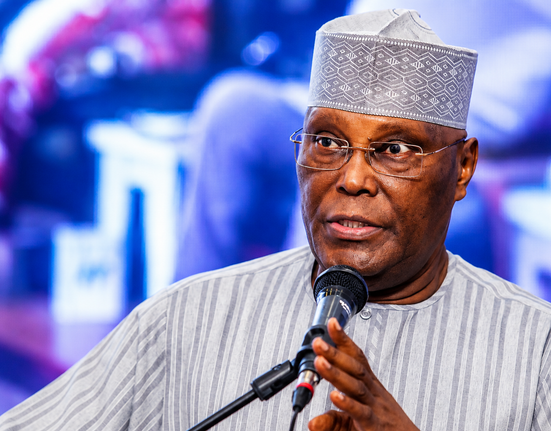
The pump price of petrol has risen to as much as N1,500 per litre in parts of the country, prompting the Nigeria Labour Congress to demand urgent measures from the Federal Government to cushion the impact on workers and households.

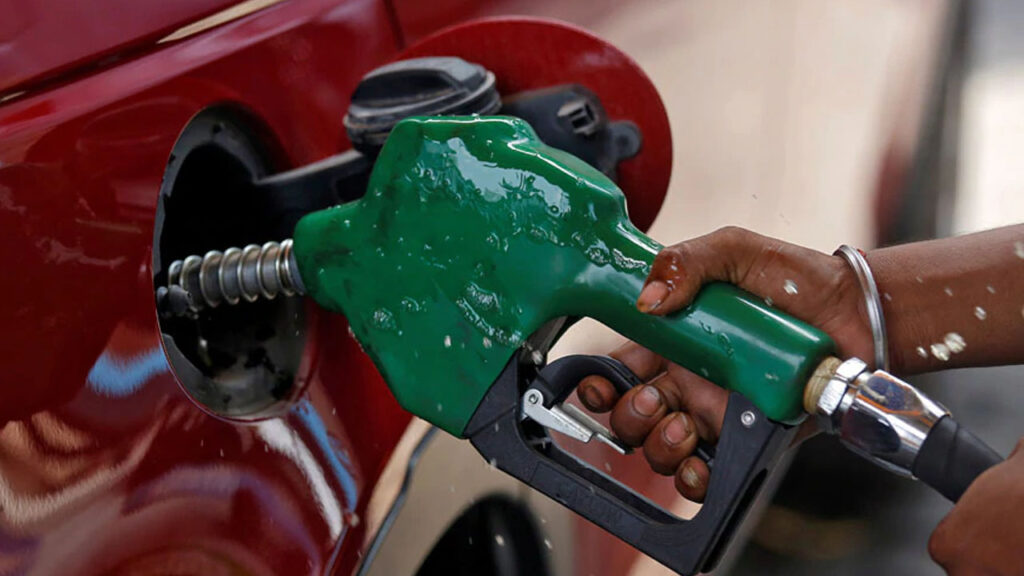
Petrol is selling for around N1,430 per litre in some major cities, while prices have reached N1,500 in states including Kano, Yobe, Sokoto, Borno, Taraba, and Zamfara, according to checks reported across the country.
The latest increases followed a fresh adjustment by Dangote Petroleum Refinery, which raised its petrol gantry price from N1,265 to N1,350 per litre on September 12. The move was the refinery’s fourth upward adjustment since August 21, taking its total increase over the period to N185 per litre.
The increases have also pushed up transportation costs in several locations, with commuters and motorists reporting higher fares and some vehicle owners reducing their use of private cars.
Reacting to the development, NLC President Joe Ajaero called on the Federal Government to approve reasonable wage awards for workers, sell sufficient crude oil to local refineries in naira, and expand the country’s petroleum storage capacity.
In a statement titled “Save the Situation Now,” Ajaero warned that higher transport costs would feed into the prices of food, rent, school fees, and other essential goods and services.
The labour union attributed the latest pressure partly to the conflict in the Gulf and its impact on global oil markets. International crude prices have risen sharply amid disruptions linked to the conflict involving Iran and concerns over supplies through the Strait of Hormuz.
The NLC argued that Nigeria, as an oil-producing country with growing domestic refining capacity, should have measures to shield consumers from external oil-market shocks.
The union also said government intervention, including temporary subsidies or other forms of support, should not be ruled out during an emergency.
Meanwhile, fuel marketers have called for greater government support for domestic refineries, including more predictable crude supplies, arguing that international crude prices and the naira-dollar exchange rate remain major factors driving petrol costs.
The latest increase adds to the pressure on Nigerians following the removal of the petrol subsidy in 2023, which left pump prices more exposed to crude oil prices, foreign exchange movements, and other market costs.