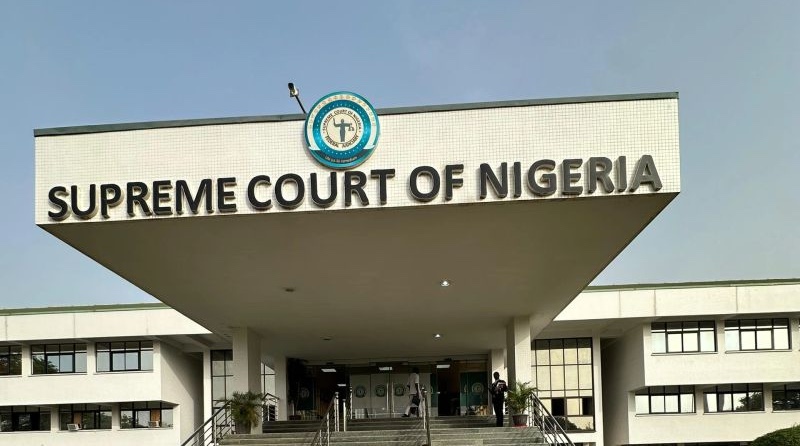
Nearly two years after the Supreme Court ordered direct funding for Nigeria’s 774 local government councils, implementation of the ruling remains largely stalled, despite over N10.48tn being allocated to the third tier of government.

An analysis of Federation Account Allocation Committee (FAAC) data between July 2024 and June 2026 shows councils received N10.479tn during the period. Allocations rose significantly in the second year, from N4.496tn to N5.984tn, reflecting a 33% increase. Monthly averages also climbed from N374.65bn to N498.67bn.
However, investigations reveal little evidence that these funds are being paid directly into local government accounts, as mandated by the Supreme Court judgment delivered on July 11, 2024. The ruling barred state governments from controlling council funds and declared caretaker committees unconstitutional.
Findings indicate that most states continue to operate the State Joint Local Government Account system, allowing governors to retain significant control over council finances. Local government officials across Kaduna, Kano, Benue, Plateau, Sokoto, and Abia states confirmed that allocations are still routed through state governments, with councils receiving only approved disbursements.
The National Union of Local Government Employees (NULGE) said the Federal Government has yet to begin direct payments, describing the delay as a major setback for grassroots governance.
“Nothing has changed,” NULGE President Aliyu Kankara said, noting that councils cannot be considered autonomous until funds are paid directly.
In several states, council officials reported receiving far less than allocated amounts, with much of the released funds used to pay salaries, leaving little for development projects. In some cases, council chairmen must seek state approval before executing projects.
Jigawa State stands out as an exception, with officials claiming all 27 local governments now receive allocations directly and operate independent accounts. Authorities say this has improved transparency and service delivery.
The autonomy dispute is rooted in constitutional provisions establishing joint accounts, which critics say enable financial control by state governments. Despite the Supreme Court’s directive, lack of clarity and enforcement has slowed nationwide compliance.
Meanwhile, FAAC data shows a total of N42.7tn was shared among all tiers of government within the two-year period. The Federal Government received N14.62tn, states N14.51tn, local governments N10.48tn, and oil-producing states N3.1tn as derivation revenue.
Experts warn that rising allocations alone do not guarantee development at the grassroots, as many communities continue to lack basic infrastructure and services.
The findings highlight a widening gap between policy and practice, raising concerns that local government autonomy remains largely theoretical in most parts of the country.