

The National Assembly has approved the electronic transmission of election results for the 2027 general elections but also kept manual collation as a backup option. The decision led to protests, heated arguments and a walkout by opposition lawmakers in both chambers.
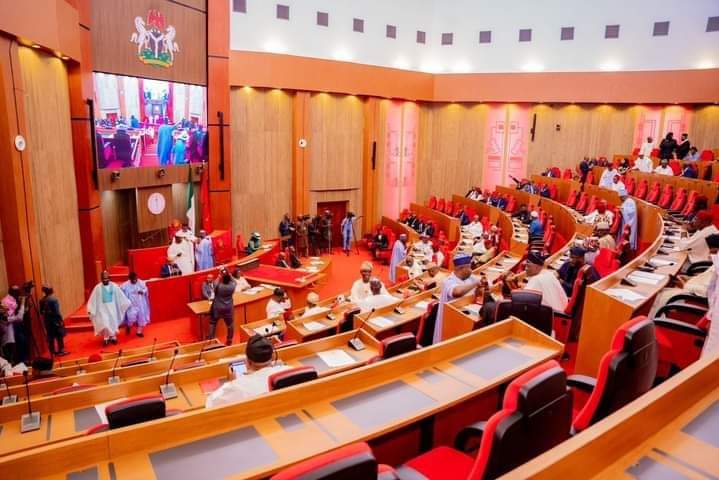
What was expected to be a routine amendment to the Electoral Act turned into one of the most dramatic sessions of the 10th Assembly, showing deep political divisions ahead of the 2027 elections.
In the Senate, 15 lawmakers led by Senator Enyinnaya Abaribe opposed a provision in Clause 60(3). The clause states that if electronic transmission fails, the manually completed Form EC8A will serve as the main document for collation of results.
In the House of Representatives, minority lawmakers staged a walkout. They accused the leadership under Speaker Tajudeen Abbas of pushing through amendments and blocking efforts to make real-time electronic transmission compulsory without exceptions.
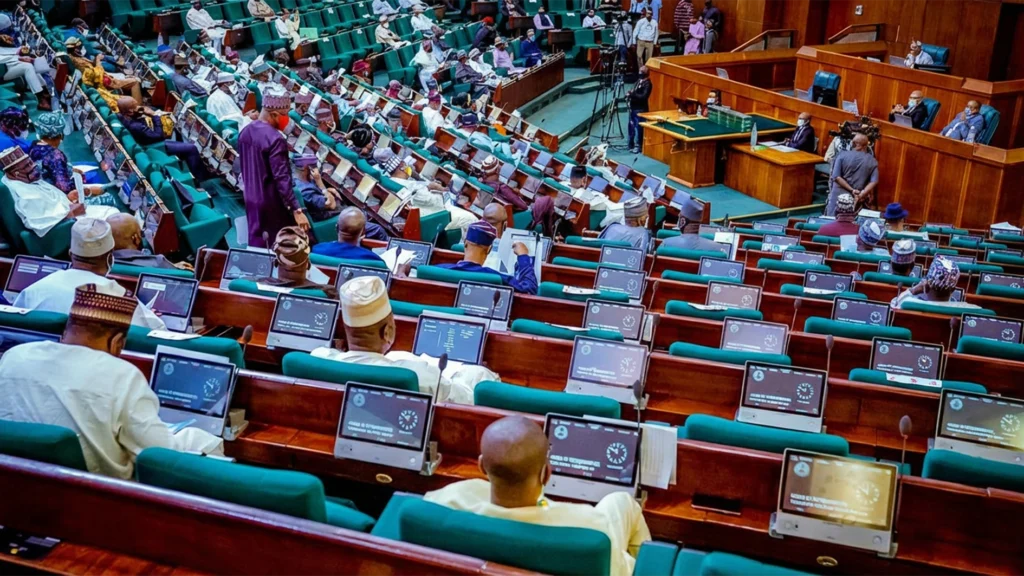
Minority Leader Kingsley Chinda, who led the walkout, told journalists that the opposition wanted elections to be transmitted electronically without conditions.
He said they opposed any clause that could create room for manipulation. According to him, if there is any conflict between the manually completed Form EC8A and electronically transmitted results, the electronic version should take priority.
Chinda also alleged that members of the ruling All Progressives Congress rejected their proposed amendments for political reasons rather than national interest.
Outside the National Assembly complex, protesters gathered to express their concerns. Former Minister of Education Oby Ezekwesili joined them, accusing lawmakers of weakening electoral safeguards.
By the end of the day, both the Senate and the House had passed their versions of the bill. The bill allows results from polling units to be uploaded electronically to the Independent National Electoral Commission’s Result Viewing Portal. However, it does not make real-time electronic transmission mandatory in all situations, as manual collation can still be used if electronic transmission fails.
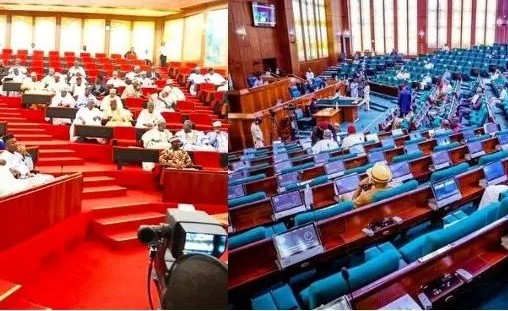
The key issue in the debate is whether electronic technology alone should be relied on to protect the integrity of elections.
A conference committee has already been set up to resolve differences between the Senate and the House versions of the bill before it is sent to the President for assent.
In response to the backlash, House spokesperson Akin Rotimi defended the process. He said the leadership held wide consultations before presenting the amendments. He explained that the conference committee would only consider provisions already passed by either chamber.
He added that INEC acted within the existing law and that some flexibility is necessary to allow the commission to manage election timelines properly. Rotimi described the rowdy session as part of democratic practice, saying that in a democracy, the majority carries the day.
However, scenes of senators standing in protest, opposition lawmakers chanting before walking out, and demonstrators outside the complex showed how sensitive and politically charged the debate over election result transmission has become.
With the 2027 general elections drawing closer, the dispute over Clause 60 has grown beyond a technical matter and has become a major political issue.


Leave feedback about this