The Federal Government is planning to identify and equip Ebola treatment centres in states with designated ports of entry as Nigeria steps up efforts to prevent the spread of the disease.

The move follows the identification of 53 contacts linked to Nigeria’s confirmed case of the Bundibugyo strain of Ebola in the Federal Capital Territory (FCT).
According to the Nigeria Centre for Disease Control and Prevention’s (NCDC) October 24 situation report, the University of Abuja Teaching Hospital has undergone an assessment to strengthen its isolation and treatment capacity, while an infection prevention and control assessment is planned for Karu General Hospital in Abuja.
The government is also working to establish referral systems for suspected cases, strengthen surveillance at airports and other points of entry, and improve healthcare workers’ readiness to manage possible infections.
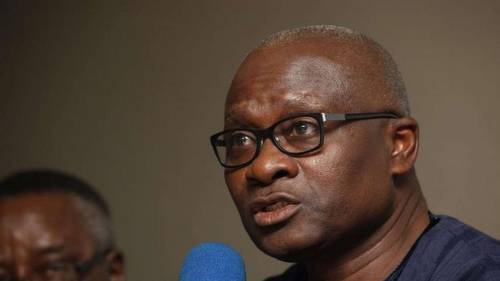
The NCDC Director-General, Dr Jide Idris, also announced emergency support of ₦100,000 per person weekly for people placed in isolation or quarantine to cover their upkeep after some complained about the financial burden of remaining under monitoring. He urged state governments to prepare resources for similar emergencies.
Of the 53 contacts, 44 were linked to the health facility where the patient was treated, while nine were other contacts, including household members and healthcare workers. The NCDC said the contacts were being monitored, with efforts ongoing to identify secondary contacts.
The agency also reported that two suspected cases, including one in Rivers State, tested negative for Ebola. As of October 24, none of the 53 identified contacts had tested positive or developed symptoms, according to the situation report.
Nigeria confirmed its first case of the Bundibugyo strain on October 20. The patient, who had travelled from Uganda, remains in isolation and has reportedly improved.
Health authorities have urged Nigerians to follow official guidance, practise good hand hygiene, avoid contact with the body fluids of suspected cases and cooperate with contact-tracing teams. They have also warned against misinformation and stigmatisation of people under monitoring.