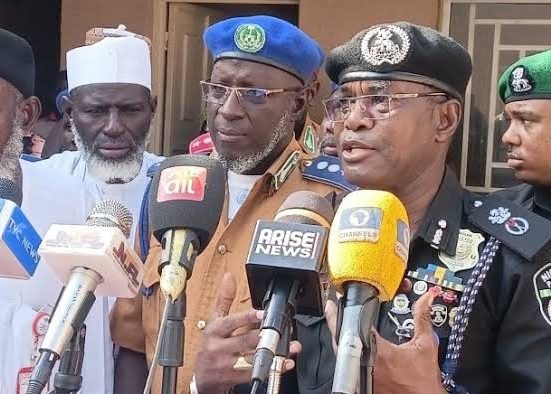
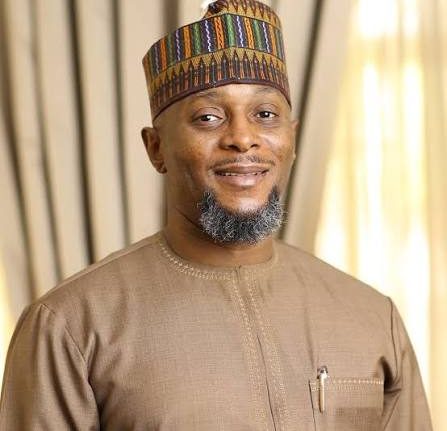
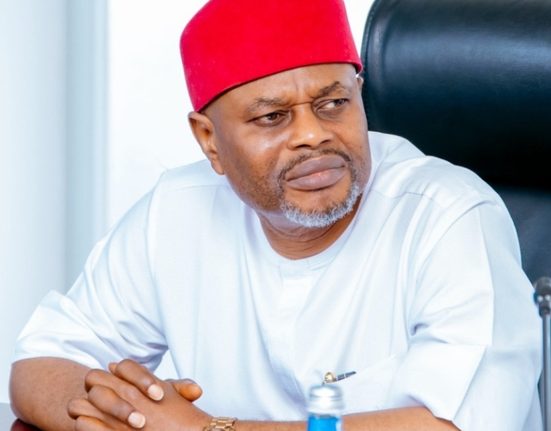
The Federal Government has launched a $1 billion Household Prosperity and Empowerment Social Protection Project (HOPE-SP), aimed at moving vulnerable Nigerians from temporary relief to sustainable economic empowerment and self-reliance.

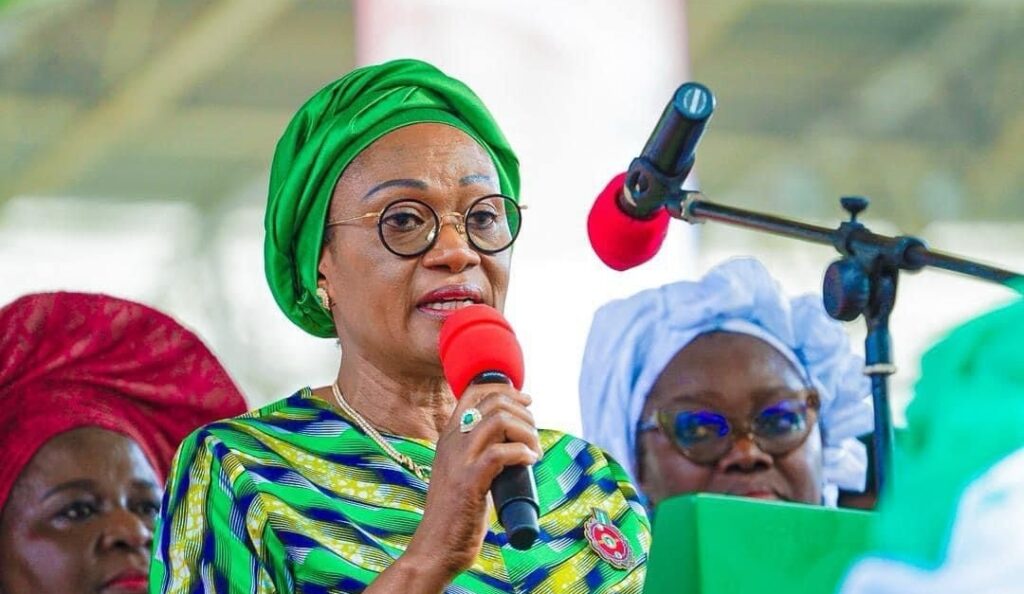
First Lady Oluremi Tinubu unveiled the program on Wednesday at the State House Banquet Hall in Abuja under the theme “From Palliatives to Pathways.”
The HOPE-SP was launched alongside the One-Humanitarian-One Poverty Response System (OHOPRS), Emergency Cash Transfer Program, the Federal Ministry of Humanitarian Affairs and Poverty Reduction Ministerial Blueprint, and the Humanity First Magazine.
Tinubu said HOPE-SP would combine immediate support for vulnerable households with interventions designed to help them recover, become economically independent, and eventually exit poverty.
She said the initiatives were necessary, as many households continue to face economic pressures despite the Federal Government’s ongoing economic reforms.
Minister of Humanitarian Affairs and Poverty Reduction, Bernard Doro, said the new approach would shift social protection from reactive palliatives to proactive and coordinated interventions.
According to Doro, government would focus on households rather than individual programs, identifying their needs, providing targeted support, and tracking their progress through a “poverty graduation pathway” towards economic inclusion and self-reliance.
He said OHOPRS would provide a unified platform for humanitarian and poverty-reduction interventions, reducing duplication among government agencies and integrating existing databases around the National Social Register.
The minister said the register currently contains about 20 million households, while a proposed National Poverty Intelligence Lab would provide data to guide government interventions and measure their impact.
Doro said the success of social protection programs would increasingly be measured by the number of households protected, economically included, and moved out of poverty, rather than the volume of relief materials distributed.
Minister of Budget and Economic Planning Atiku Bagudu stressed the need for federal, state, and local governments to coordinate their social protection efforts. He said Nigeria’s ambition of building a $1 trillion economy by 2030 must be matched with measures that ensure economic opportunities reach vulnerable communities.
Borno State Governor Babagana Zulum also welcomed the initiative, saying sustainable peace and security required tackling poverty and social inequality alongside immediate humanitarian needs.
The Federal Government had earlier formally adopted OHOPRS as a national framework for coordinating humanitarian response, social protection, and poverty reduction, with the stated goal of creating a pathway from vulnerability to self-reliance.