

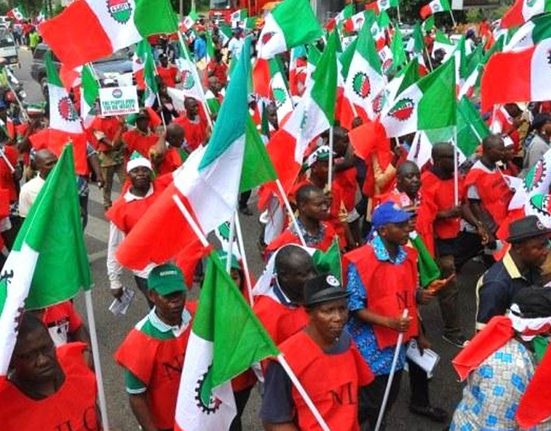
The National Industrial Court in Abuja has ordered workers in the Federal Capital Territory (FCT) to stop their ongoing strike.

The court gave the order after the Minister of the FCT, Nyesom Wike, and the FCT Administration filed a case asking the court to stop the strike action being carried out by workers under the Joint Union Action Committee (JUAC).
The case was filed against the JUAC Chairman, Rifkatu Iortyer, and the Secretary, Abdullahi Umar Saleh. The FCT authorities asked the court to stop the unions from going on strike, picketing offices, or disrupting government activities.
While delivering his ruling on Tuesday, Justice E.D. Subilim said that although the dispute is a labour matter, workers do not have an unlimited right to go on strike. He explained that once a dispute has been taken to the National Industrial Court, workers are no longer allowed to continue any strike action until the case is decided.
The judge agreed that the FCT authorities had shown enough reasons for the court to grant the order. He therefore ordered all members of JUAC to stop the strike immediately. The order also prevents them from blocking roads, stopping government operations, or disrupting the work of FCT agencies and officials.
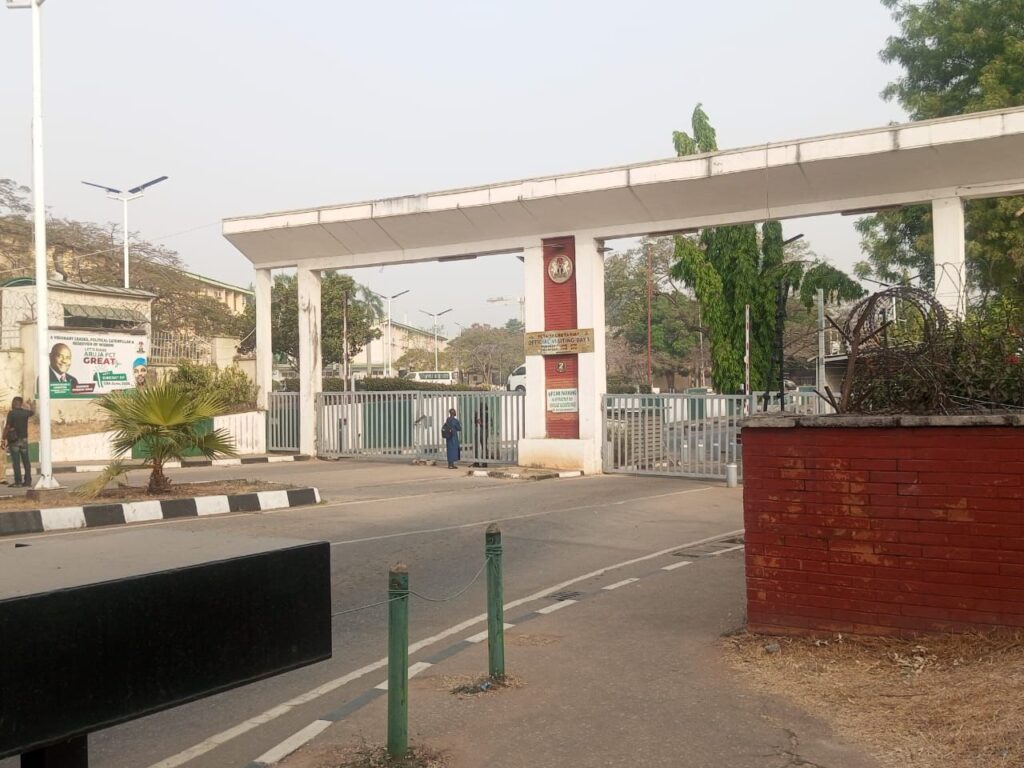
Justice Subilim said the order would remain in place until the court finishes hearing the case. The matter was adjourned to March 23, 2026.
After the ruling, the lawyer for the FCT authorities, James Onoja, SAN, welcomed the decision. He said stopping the strike would give both sides a chance to talk and resolve the issues peacefully. He urged the unions to obey the court order, return to work, and allow mediation to take place.
On his part, the lawyer for the workers, Maxwell Opara, said the workers are law-abiding and would respect the court’s decision. He added that the court had also directed both parties to begin mediation, which they would comply with.
JUAC President, Rifkatu Iortyer, also confirmed that the workers would obey the court order. She said the strike would be called off immediately and workers would return to their duties, while the unions continue to pursue their demands through legal means.





Leave feedback about this