

Former Vice President Atiku Abubakar has asked President Bola Tinubu to explain Nigeria’s rising public debt, despite increased government revenue under the administration’s economic reforms.
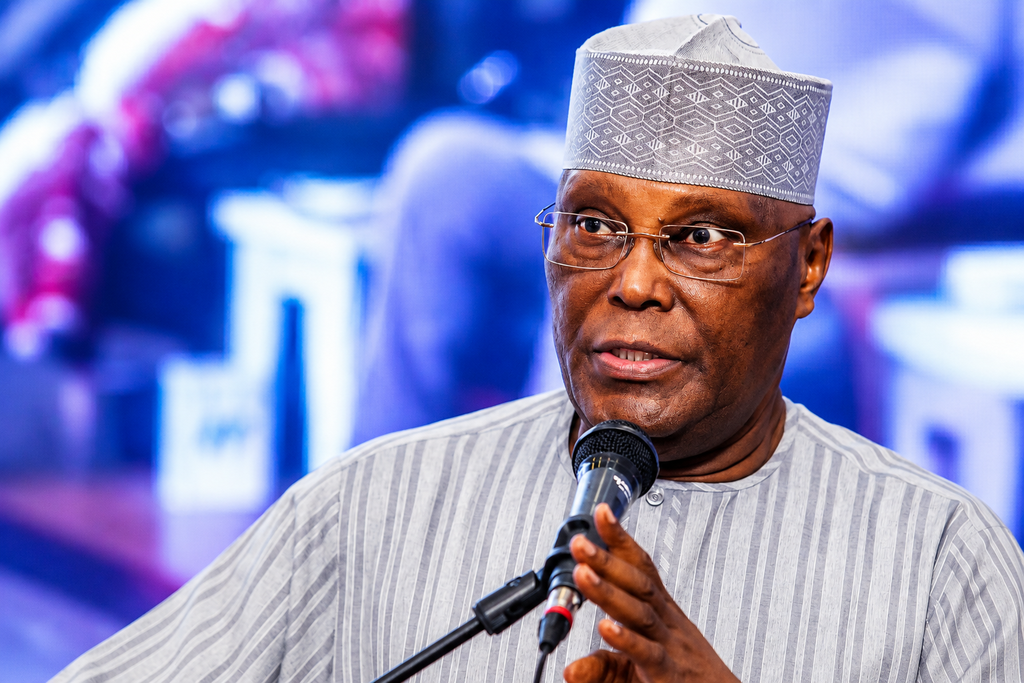
Atiku, in a statement by his Director of Strategic Communications, Phrank Shaibu, said Nigerians deserved an explanation for the increase in public debt and the continued pressure on household incomes.
He said Nigeria’s public debt had risen from ₦49.85 trillion in March 2023 to ₦166.79 trillion by June 2026 and called for a detailed breakdown of the increase.
The ₦49.85 trillion figure is consistent with Nigeria’s total public debt at the end of March 2023, according to official data. The Debt Management Office also published Nigeria’s latest total public debt report for June 30, 2026, on September 25.
Atiku asked the Federal Government to clarify how much of the increase came from new borrowing, previously unrecognized obligations, exchange-rate movements, repayments, and outstanding balances.
He also questioned why improved government revenues had not translated into lower living costs, pointing to higher food, transport, electricity, and other expenses.
The former vice president further cited debt-service figures and the projected 2026 fiscal deficit as evidence of continued pressure on government finances.
The 2026 fiscal framework projects a deficit of about ₦31.45 trillion, according to figures cited by BudgIT.
Atiku also questioned a $39.25 million item listed as “other charges” in the second-quarter 2026 external debt-service schedule, including a $22.5 million charge linked to a First Abu Dhabi Bank total return swap. The Debt Management Office has separately published an FAQ on Nigeria’s $5 billion total return swap with First Abu Dhabi Bank.
He called for greater transparency over the ₦19.48 trillion Treasury Bills outstanding as of June 30 and demanded explanations of what had been redeemed, rolled over, or newly borrowed.
Atiku’s criticism comes as the International Monetary Fund acknowledges improved macroeconomic conditions following Nigeria’s reforms but says living conditions remain difficult for many Nigerians.
In its June 2026 Article IV assessment, the IMF estimated poverty at 63 per cent and said about 27 million Nigerians had faced food insecurity in late 2025. It also said higher food and transport costs remained a drag on economic activity.
Atiku said Nigerians who had endured the effects of fuel-subsidy removal, naira depreciation, and higher electricity and transport costs were entitled to know what the sacrifices had delivered.
He urged Tinubu to provide a full account of the country’s debt and explain how the government intends to balance increased revenue, borrowing, and the cost of living.


Leave feedback about this