Despite more than N10 trillion spent on Nigeria’s electricity sector over the past 13 years, power supply has remained largely stagnant, raising concerns over efficiency and value for money.

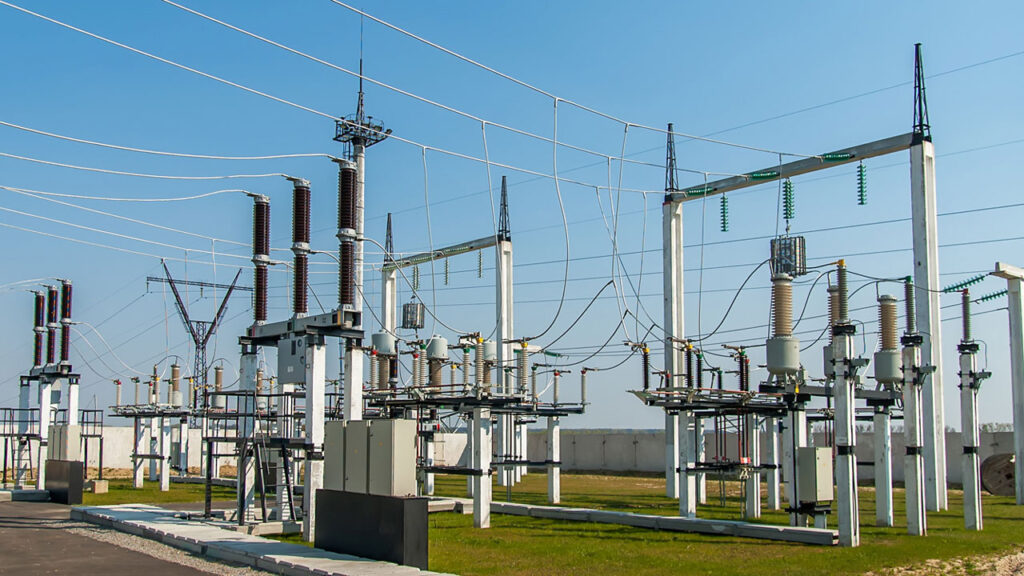
Recent data shows that average electricity generation has hovered around 4,500 megawatts (MW), far below the government’s 20,000MW target and the estimated national demand of over 30,000MW.
The Minister of Power, Joseph Tegbe, said the federal government is now embarking on a comprehensive reset of the sector to address structural issues that have persisted for over four decades. According to him, the reforms aim to improve grid stability, market efficiency, and investor confidence within the next two to three years.
Key measures include a technical audit of the national transmission network, harmonization of federal and state electricity regulations, a grid stabilization program, and initiatives to improve sector liquidity. The government also plans a “Super Grid Program” to expand transmission capacity nationwide.
Spending With Little Impact
Findings show that since the privatisation of the sector in 2013, successive governments have introduced multiple financial interventions to support operations and boost supply. These include the Central Bank’s N213 billion stabilization facility, a N701 billion payment guarantee for generation companies, and several metering and infrastructure programs, alongside multilateral loans exceeding $2.4 billion.
However, these investments have not significantly improved output. Data from the Nigerian Electricity Regulatory Commission (NERC) indicates that in the first quarter of 2026, average generation stood at about 4,112MW, still below the government’s 6,000MW target.
Mounting Debt Crisis
The sector continues to face a severe liquidity crisis. Power generation companies claim that unpaid government subsidies have pushed total debt to about N6.2 trillion, although the government maintains verified liabilities are closer to N3.3 trillion.
Data from the Nigerian Bulk Electricity Trading company shows that between April 2025 and April 2026, the government paid only a fraction of subsidy obligations, leaving a deficit of about N1.78 trillion.
To address this, the federal government has turned to the domestic bond market, issuing hundreds of billions of naira to settle outstanding debts and restore confidence in the sector.
Stakeholders Call for Reform
Industry stakeholders say inefficiencies, poor management, and continued government intervention have contributed to the sector’s weak performance. Some experts advocate full privatization and greater transparency to reduce waste and improve service delivery.
Others stress the need for technical expertise in managing the industry, warning that progress will remain limited without qualified professionals leading key institutions.
Government Promises Improvement
The government says recent reforms, including expanded metering, improved coordination, and increased generation levels, are beginning to yield results. Officials report that generation has recently reached 5,000 MW in some periods.
Adelabu said the administration’s goal is to make electricity more reliable, financially sustainable, and accessible, positioning the sector as a driver of economic growth rather than a constraint.
He acknowledged that challenges remain across generation, transmission, and distribution but expressed confidence that ongoing reforms will deliver measurable improvements in the near term.