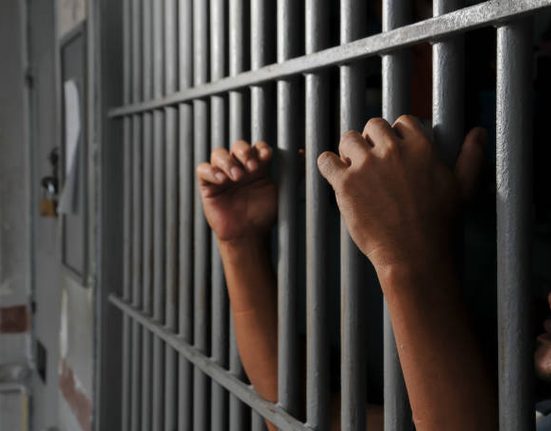
Mental health experts and advocates have criticized Senate President Godswill Akpabio’s position on the proposed decriminalisation of attempted suicide, insisting that survivors need medical treatment and psychological support rather than imprisonment.


The controversy arose on October 13 during debate on a bill sponsored by Senator Asuquo Ekpenyong, representing Cross River South, which seeks to decriminalize attempted suicide and establish a national framework for prevention, treatment and rehabilitation.
Ekpenyong argued that criminal penalties could discourage people experiencing suicidal distress from seeking help and potentially push them towards more fatal attempts.
Akpabio, however, maintained that attempted suicide should remain a criminal offence, saying survivors should face imprisonment. The bill nevertheless passed its second reading and was referred to the Senate committees on health and judiciary for further consideration. It has not yet become law.
Reacting to the debate, Professor Daniel Ikpechukwu described the punitive approach as outdated, arguing that suicidal behaviour is influenced by biological, psychological, social and environmental factors that require professional intervention.
He warned that criminalising attempted suicide could deepen stigma and discourage vulnerable people from speaking openly about their mental health challenges.
Deborah Omage, Policy and Advocacy Lead at Nigerian Mental Health, said there was no strong evidence that criminal punishment effectively deterred suicidal behaviour.
She warned that the threat of arrest, prosecution and imprisonment could prevent survivors from seeking emergency medical attention and lead families to conceal suicide attempts.
Omage said decriminalisation must be accompanied by accessible mental health services, continuing support and a reliable system for monitoring suicide attempts and prevention outcomes.
Similarly, Ayo Adebusoye, Secretary-General of the Nigerian Network of NGOs, called for the removal of criminal penalties and urged the government to prioritise protection, treatment and recovery.
Adebusoye said the proposed legislation should provide a clear pathway for survivors to receive immediate medical attention, psychological assessment, appropriate treatment and follow-up care.
He also called for safeguards to protect survivors’ dignity and confidentiality, alongside adequate funding for emergency response, community-based mental health services and suicide prevention programs.
The advocates stressed that decriminalization alone would not be sufficient without accessible treatment, public education and sustained government investment in mental health services.
Their position reflects concerns over the conflict between existing provisions of the Criminal Code and Penal Code, which criminalise attempted suicide, and the National Mental Health Act, 2021, which recognises attempted suicide as a psychiatric emergency requiring intervention.
The Senate’s consideration of the bill presents an opportunity to address the legal contradiction and strengthen Nigeria’s suicide prevention framework.