The Federal Government has dismissed claims that Nigeria’s debt has surged to nearly ₦80 trillion under the current administration, describing the figure as exaggerated and misleading.


Speaking before the Senate Committee on Finance in Abuja on Monday, the Minister of Finance and Coordinating Minister of the Economy, Wale Edun, clarified that the widely cited debt figures largely reflect accounting adjustments rather than fresh borrowing.
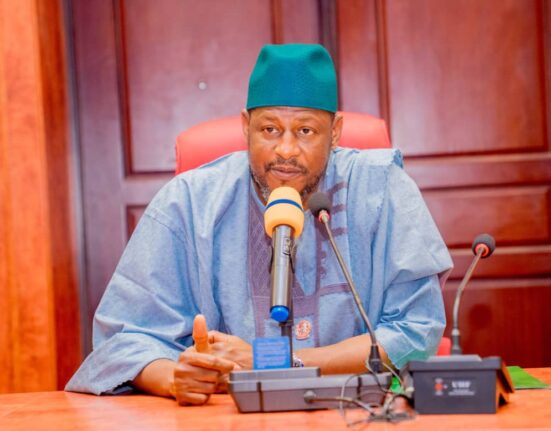
The session, chaired by Sani Musa, focused on the state of the economy and public debt concerns raised by lawmakers.
Responding to questions from Adamu Aliero, the minister explained that Nigeria’s public debt stood at about ₦75 trillion when Bola Ahmed Tinubu assumed office. He noted that the increase since then has been largely driven by the revaluation of foreign debt following naira depreciation.
According to him, this exchange rate adjustment alone added over ₦40 trillion to the debt figure. In addition, the securitization of Ways and Means advances, loans taken from the Central Bank by the previous administration, added about ₦33 trillion after being formally recorded in the national debt.
“These are not new borrowings,” the minister said, adding that much of the government’s recent domestic borrowing has been used to refinance existing obligations rather than accumulate fresh debt.
He maintained that the administration’s borrowing strategy remains cautious and focused on infrastructure development, emphasizing a commitment to debt sustainability.
However, some lawmakers, including Senate Whip Tahir Monguno, raised concerns about the slow implementation of the capital component of the 2026 budget.
In response, committee chairman Sani Musa assured that improvements in budget execution would soon be evident. He also disclosed that the government is considering a shift to performance- and priority-based budgeting to enhance fiscal efficiency.