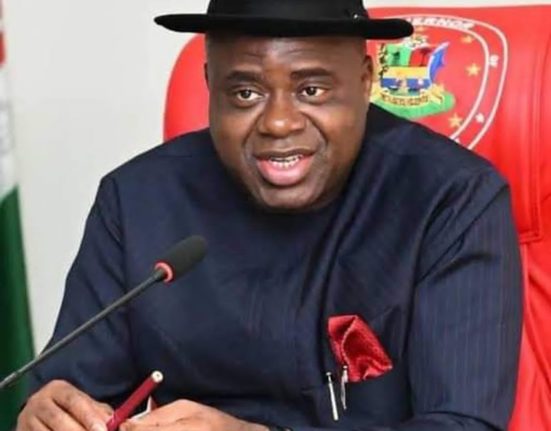
Nigeria has called for the complete elimination of nuclear weapons, saying global security should not depend on weapons capable of destroying humanity.

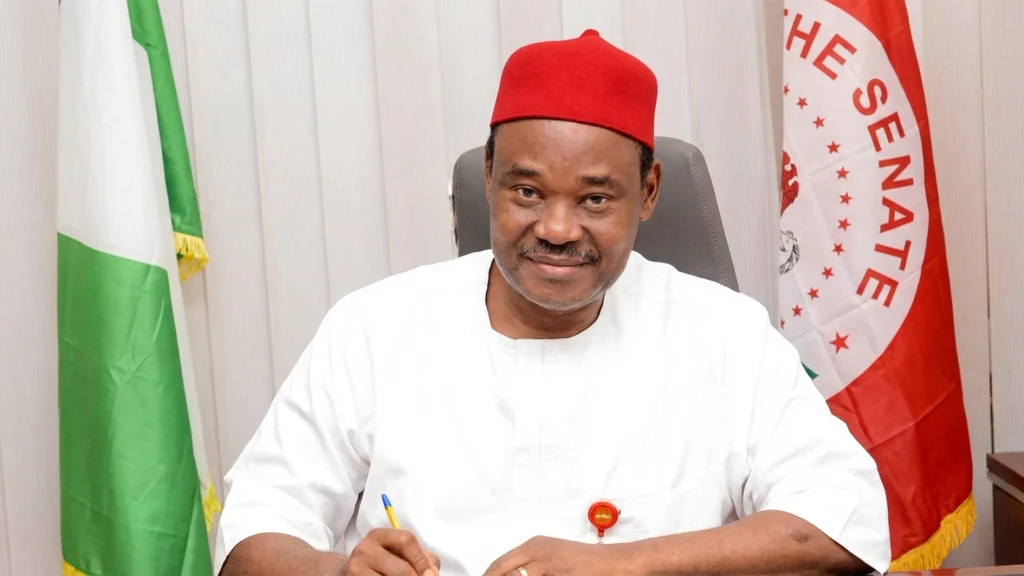
Nigeria’s Permanent Representative to the United Nations, Ambassador Jimoh Ibrahim, made the call on Tuesday at a high-level plenary meeting of the UN General Assembly in New York.
The meeting was held to commemorate the International Day for the Total Elimination of Nuclear Weapons, which is observed annually on September 26. The 2026 high-level meeting took place on September 29.
Ibrahim said Nigeria did not possess nuclear weapons, had never pursued a nuclear weapons program, and did not consider them necessary for its national security.
“Nigeria firmly believes that the only absolute guarantee against the use or threat of use of nuclear weapons is their total elimination.”
He urged nuclear-weapon states to fulfill their disarmament obligations under Article VI of the Treaty on the Non-Proliferation of Nuclear Weapons (NPT) and work towards the irreversible, transparent, and verifiable elimination of their arsenals.
Ibrahim expressed concern over the continued modernization of nuclear weapons amid rising geopolitical tensions and pressure on the global arms-control system.
The UN estimates that about 12,241 nuclear weapons remain in existence, with nuclear-armed states maintaining long-term programs to modernize their arsenals.
According to Ibrahim, Nigeria believes lasting global security should instead be based on dialogue, international law, multilateral cooperation, and equal security for all states.
He also reaffirmed Nigeria’s support for the peaceful use of nuclear science and technology in areas including healthcare, agriculture, energy, water management, and sustainable development, provided such activities comply with international obligations.
Ibrahim highlighted Africa’s Treaty of Pelindaba, which established the continent as a nuclear-weapon-free zone, saying Nigeria supported efforts to establish similar zones in other regions.
He said the administration of President Bola Tinubu remained committed to international efforts toward nuclear disarmament and a nuclear-weapons-free world.
The UN says nuclear disarmament remains its highest disarmament priority, while Secretary-General António Guterres has warned that rising tensions, military competition, and nuclear modernization are increasing the risk of nuclear catastrophe.
Ibrahim pledged Nigeria’s continued engagement with UN member states to promote practical and verifiable measures towards the complete elimination of nuclear weapons.