The latest increase in petrol prices is putting fresh pressure on Nigerian households and businesses as international crude oil prices remain above $100 per barrel.

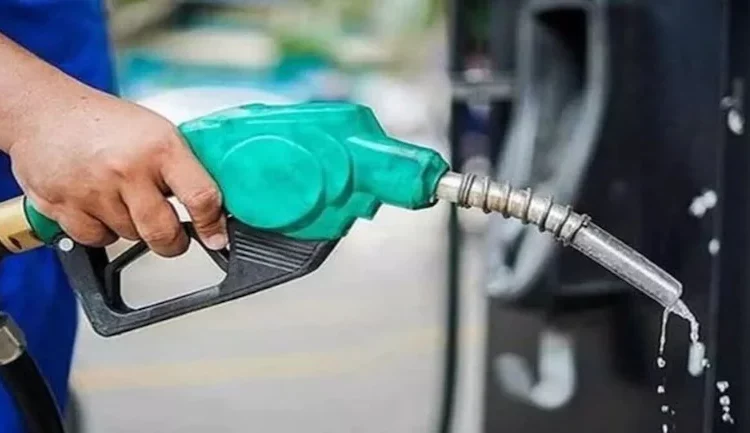
Dangote Petroleum Refinery on Saturday raised its petrol gantry price from ₦1,265 to ₦1,350 per litre, the fourth increase since August 21. The refinery has increased its price by ₦185, or 15.9 per cent, in 22 days.
The hike has triggered fresh adjustments at filling stations. In Abuja, MRS outlets increased their price from ₦1,350 to ₦1,395 per litre, while NIPCO and Mobil outlets raised theirs to ₦1,430 and ₦1,400 respectively.
The latest increases come as Brent crude has surged above $100 per barrel amid disruptions to oil supplies and shipping routes in the Middle East. Brent rose to about $107–$110 per barrel on Monday following fresh attacks on Saudi energy infrastructure and renewed tensions around the Strait of Hormuz.
The higher fuel costs are expected to increase transportation expenses for commercial buses, taxis, and tricycles, potentially pushing up fares for commuters.
Households that depend on petrol-powered generators may also face higher energy costs, while businesses could see increased expenses for transportation, logistics, production, and power.
Higher transport and logistics costs could also push up the prices of food and other essential goods as businesses pass additional expenses on to consumers.
The development comes amid existing cost-of-living pressures. The National Bureau of Statistics currently puts headline inflation at 15.43 percent and food inflation at 20.31 percent.
Analysts warn that if crude prices remain elevated, further increases in domestic petrol prices could deepen pressure on household purchasing power and the cost of doing business.