Despite the Federal Government’s push to reduce transport fares through Compressed Natural Gas (CNG) and electric-powered vehicles, many commuters across Nigeria continued to pay existing fares as the October 1 target took effect.

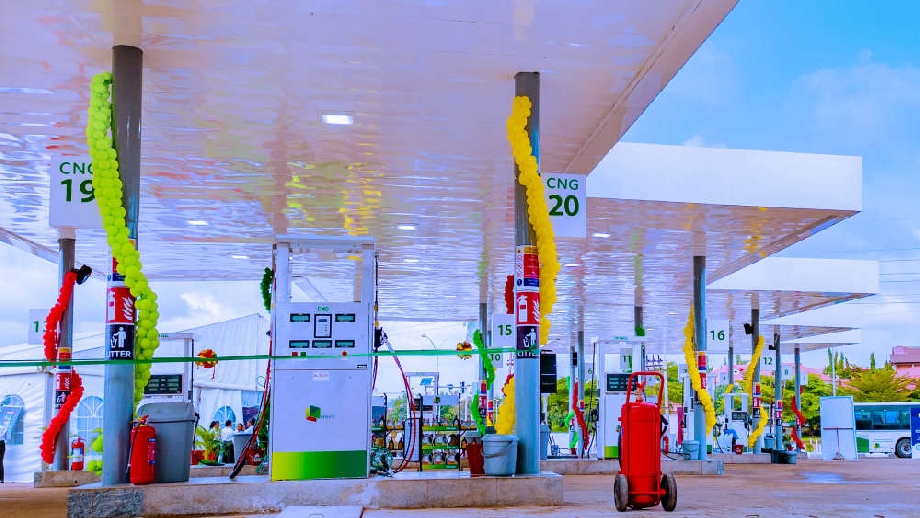
President Bola Tinubu had directed states to ensure that savings from cheaper alternative fuels translated into lower transport costs, following an August 27 meeting with the 36 state governors. In a September 19 update, he said more Nigerians should begin to see “measurable reductions” in transport costs from October 1.
However, checks across several states showed that the impact remained uneven. Commuters in Anambra, Delta, Imo, Sokoto, Kebbi, Jigawa, Gombe, Edo, Ondo, Osun, Oyo, and Ogun reported little or no reduction in fares, while some states were still awaiting CNG buses or supporting infrastructure.
The Executive Chairman of the Presidential Initiative on CNG and Electric Vehicles, Ismaeel Ahmed, said the October 1 date was not a deadline for every state to reduce fares simultaneously but the point at which the Federal Government would begin monitoring fare reductions on routes using CNG and electric vehicles.
He said reductions had already begun in some areas, citing Borno, Kaduna, Zamfara, and Ebonyi. In Borno, for instance, alternative-energy buses were reportedly charging as little as N15 on some routes compared with N200 to N500 for conventional transport. Kaduna also operates free CNG-powered buses on selected routes.
The Presidency said other examples included subsidized transport in Plateau, lower fares on some Abuja routes, and reductions recorded in Enugu, Oyo, Adamawa, and Niger. It also said more than 120,000 vehicles had been converted to CNG, with over 400 certified conversion centers and more than 90 refueling stations nationwide.
But the rollout has faced infrastructure and implementation challenges.
In Anambra, fares remained about N700 from Upper Iweka to Oba and N2,000 from Awka to Onitsha. Transport operators cited poor roads, high spare-parts costs, and limited access to CNG infrastructure.
In Delta and Imo, transport unions said they had not received CNG buses, while commercial fares remained high. A journey from Owerri to Akokwa was reported at N4,500 and Owerri to Awka at up to N9,000.
In Sokoto and Kebbi, commercial fares also remained unchanged, with passengers paying about N5,000 to N6,000 on some interstate routes. Kebbi’s state-owned buses offered lower fares on some routes but had limited coverage.
Jigawa had converted about 100 vehicles to CNG, but passengers in Dutse said fares to Kano and Hadejia remained unchanged. Gombe was also working towards converting some buses, while commuters reported no immediate reduction.
In Enugu, government CNG buses offered a N300 flat fare on selected routes, but their limited routes and operating hours meant many commuters still relied on commercial buses.
Kaduna provided broader relief through 100 CNG buses operating on eight routes, but residents said the benefit was limited to areas covered by the scheme.
In Plateau, government-supported buses charged N200 and reportedly carried about 13,000 commuters daily, compared with fares above N500 on commercial vehicles. However, the state was still working to establish CNG conversion infrastructure and lacked a dedicated refueling station.
Edo, Ondo, Osun, Oyo, and Ogun also reported little or no immediate change in commercial fares, with state officials citing ongoing plans, infrastructure gaps, or the need for further government intervention.
The Federal Government has said the rollout will continue beyond October 1 as more CNG and electric vehicles are deployed and infrastructure expands.
Ahmed said the objective was to extend fare reductions beyond the routes already benefiting from alternative-energy vehicles.
The mixed rollout suggests that while cheaper transport has begun to emerge on selected routes, its impact remains limited for commuters who depend on conventional commercial buses.